
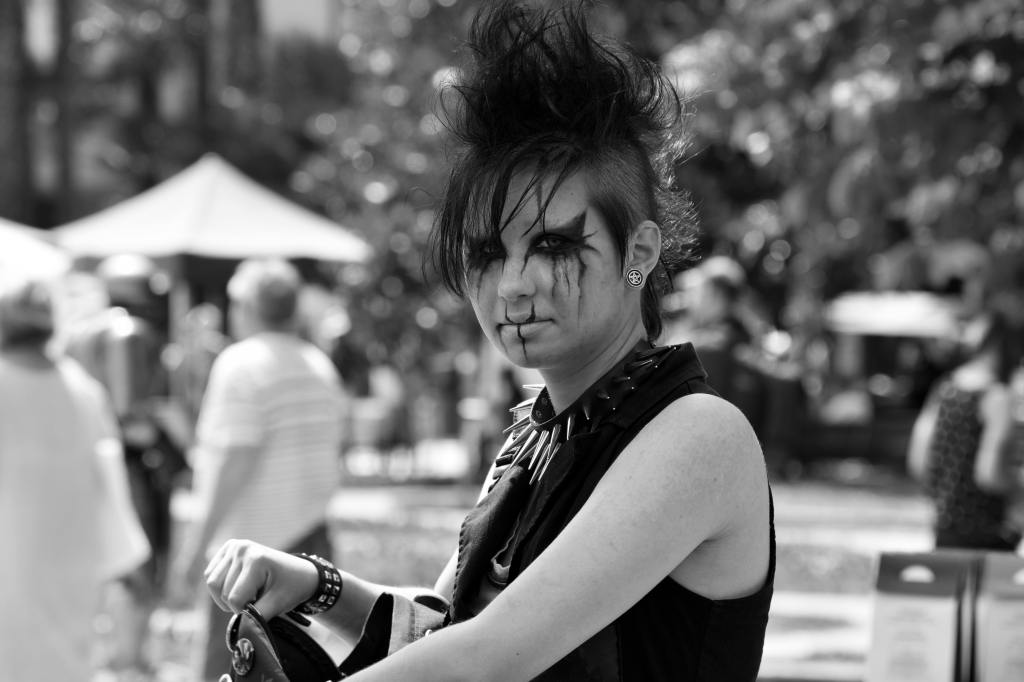
Love it or hate it, the goth subculture has bewildered, amused, shocked, offended and created a community for individuals all around the globe. The impact of the subculture is such that one would face a challenge finding an individual unaware of its existence.
Despite its deep roots in music, what makes a member of the goth community recognisable is often their outward expression, be it through fashion or makeup.
That’s not to say that all goths dress in a way that aligns with the subculture’s stereotypical appearance – goth is a label adopted by anyone who feels as though they are a part of the community regardless of gender, race and personal preferences.
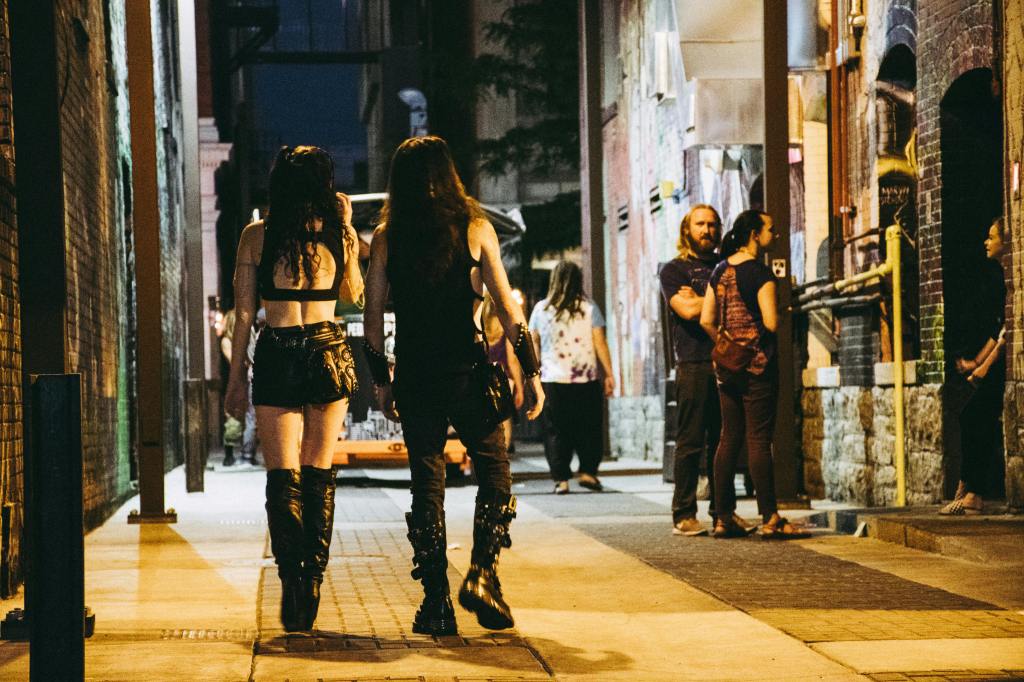
Image Credit: Pexels/Brett Sayles
There exists, within goth, different genres of style. Looks are as diverse as the individuals who make up the community.
What runs true through most, if not all, people who label themselves as goth is an appreciation for the associated genres of music and the darker aspects of life.
Goth fashion and makeup has evolved over decades of influence from post-punk and goth-rock bands as well as, more recently, pop culture. In the age of all-consuming social media, goth fashion and its various sub-sections continue to develop rapidly.
Early Roots
Goth style as we know it developed from other British subcultures which existed during the 70s, namely Punk.
Before this, however, the Victorian era’s ‘romanticism movement’ inspired writers such as Edgar Allan Poe and later, Bram Stoker. The dark stories and poems created by these literary giants have been heavily cited in goth-related pop culture and have had an influence on goth fashion through the relationship of dark imagery (or in this case, clothing) and the macabre.
Theda Bara, a famed silent film actress, was the first in mainstream media to be referred to as ‘vamp’. The description stemmed from her dark kohl-rimmed eyes which ultimately aided her femme-fatal status.

Theda Bara, Salom, circa 1918.
Bara was the driving force behind bringing dark makeup to the forefront of cinema and into the hands of people everywhere.
Media in the 30’s – 60’s
At this time, the goth community had not yet been born. ‘Goth’ makeup and fashion from before the 60’s varied from person to person but often consisted of minimal makeup and monochrome outfits of a dark colour palette.
During that time, literature, art and media were the chosen methods of expression amongst those who loved all things dark. Victorian mourning attire was a heavy influence in goth makeup and fashion until the introduction of more modern goth-coded characters.
Universal Classic Monsters like Bride of Frankenstein (1939) and Dracula’s Daughter (1936) helped to create a type of goth beauty standard for women in the 1900s. The bride’s two-toned hair and dark lip set the foundations for looks still worn today. These classic horrors inspired later goth icons, Elvira and Vampira.
In the 60s, more important gothic characters emerged from the media. Morticia Addams, the beloved fictional mother of the recently popular Wednesday Addams, set the tone for the future subculture with her jet-black hair.
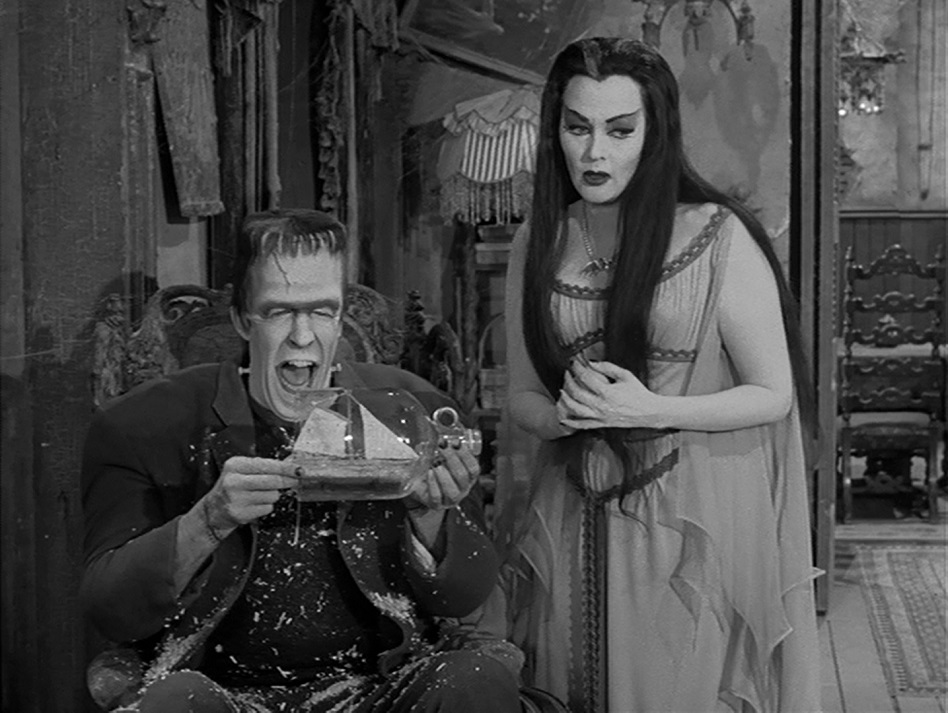
Image Credit: The Munsters (1965), CBS
Lilly Munster of The Munsters (1965) made bat-wing fashion cool and rocked the white face paint that went on to be used by Trad (Traditional) Goths in the 80’s.
The Birth of Goth
In the late 1970s, the goth subculture blossomed around its music scene. Gothic-rock emerged from post-punk and grew in popularity along with genres like dark-wave and Death Rock. Notable bands at this time included Bauhaus, Sisters of Mercy and The Cure.
Soon after the establishment of the subculture, the fashion, lifestyle and music could be seen in several geographical locations. This marked the worldwide spread of goth.
Still a relatively unknown scene, members of the goth subculture took inspiration from the Punk and BDSM community when creating their own look.
Lead singer of Siouxsie and the Banshees, Siouxsie Sioux, was already tweaking her fashion towards something that would be considered more goth than punk even before the creation of the subculture.
The style first categorised as ‘goth’ is often referred to now as Traditional (Trad) Goth. It carries the remnants of punk culture, seen through its wearer’s use of studs, fishnets, leather, and latex. During this period, it was more common than ever before to see men or masculine presenting people wearing makeup and participating in more feminine clothing trends.
Trad Goth makeup often consists of a pallor base, eccentric eye makeup and cool-toned contour. In many styles, the inner corner of the eyebrow is brought down the nose bridge with an eye shadow or liner to join with an extended inner-eye line. Trad goth looks are likely the most recognisable amongst fellow styles.
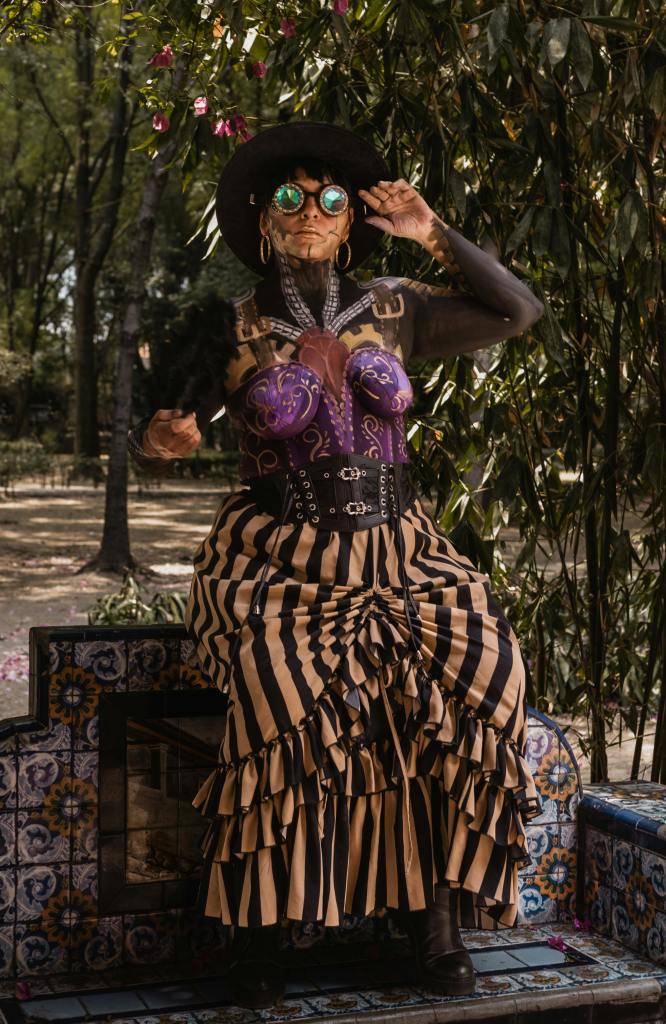
Image Credit: Pexels / Noemiji
After Trad goth came the development of different styles amongst the community. In the late 80s, Steampunk, Cybergoth and Victorian Goth found footing.
Cybergoth introduced an element of contrast to the subculture’s fashion and makeup that didn’t exist before. They drew their fashion from heavier music in the industrial or rave genre and their neon colours, paired with black and distressed clothing, went on to inspire many to incorporate intentionally clashing elements to their look.
Cybergoths may also be credited for popularising coloured contacts.
1990’s – 2000s
Between the 90s and the 2000s, goth infiltrated youth culture. This led to gothic makeup and fashion being adopted on a more mainstream level. It became a way of personal, and often emotional, expression, as opposed to the direct link the goth ‘look’ and specific genres of music had before.
As the world slowly warmed up to the idea of alternative subcultures, Corporate Goth joined the list of blooming styles. Intended as a way to keep an alternative style while still holding down a professional job, Corporate Goth features minimalistic black makeup and dark attire, fit for the office.
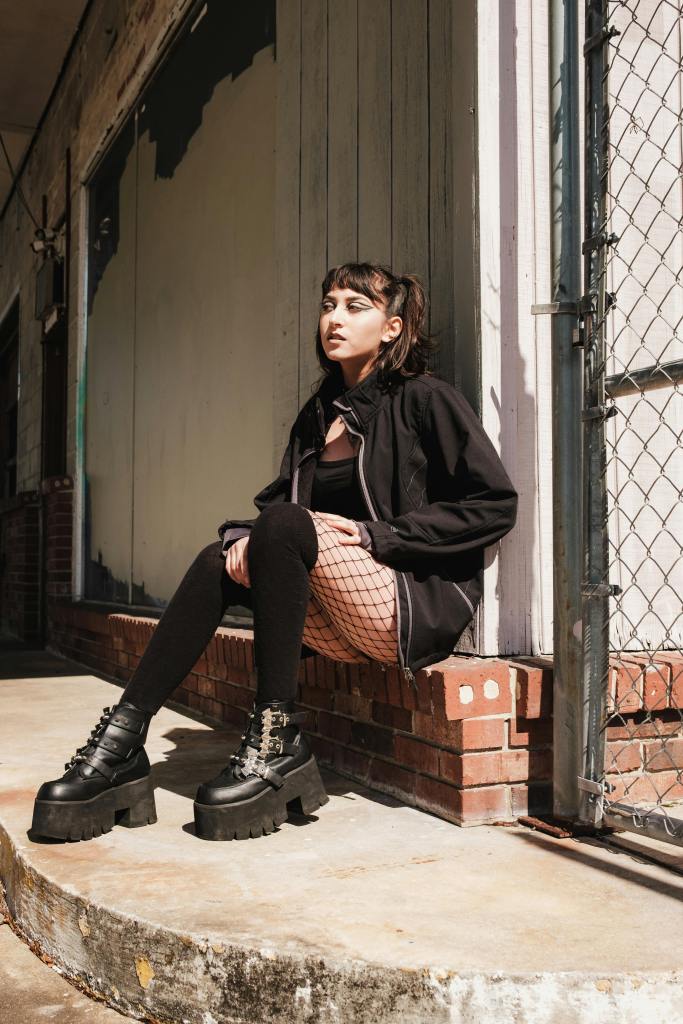
Image Credit: Pexels
During this time, off-shoots of goth style started to emerge. These included Mall Goth, Emo, Pastel Goth and Scene.
2010’s and Onwards
Social media has been both a blessing and a curse to the goth subculture. On one hand, people are able to share outfits, makeup looks and DIY projects more than ever before.
On the other, the sheer number of alternative styles showcased online has muddied the water. It’s not uncommon to find ‘goth’ being misinterpreted for something else or vice versa.
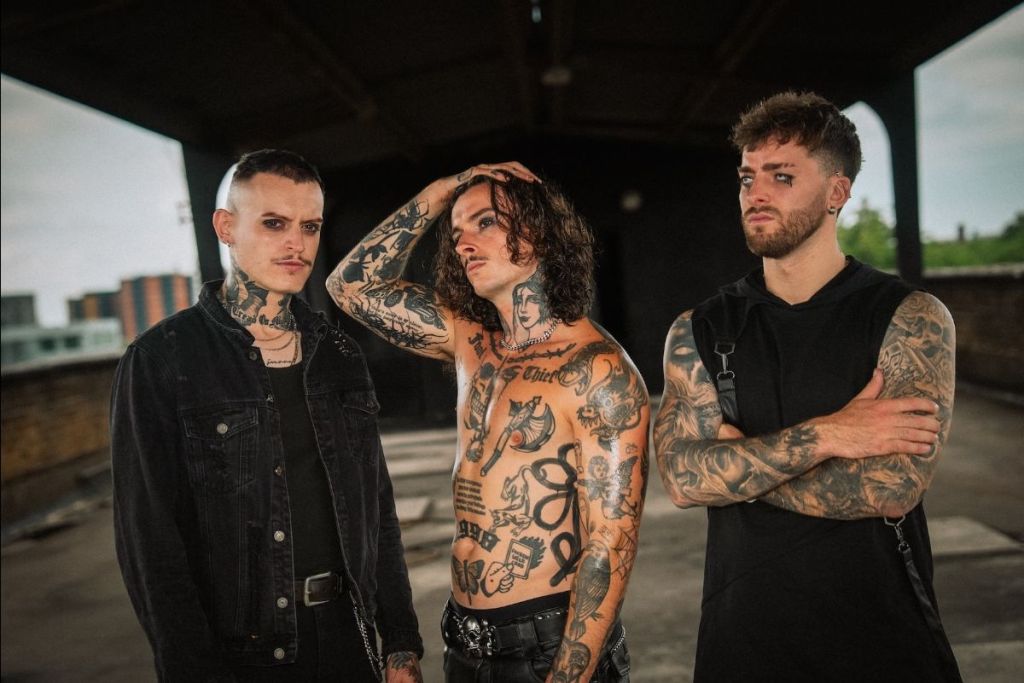
New goth styles are being developed still, while old styles stay strong and are especially prevalent among goth influencers. As of the early 2020s, there is no one way to define what goth makeup or fashion looks like. It is something deeply personal to each individual. Some love a full face, dramatic eyebrows and a bold, black lip. Others wear no makeup at all.
Dusty Gannon, the lead singer of Vision Video, knows the importance of makeup and fashion to the goth subculture and community.
He told The Mourning Paper, “Makeup in the goth scene has provided me with a complex and satisfying way to express myself. While I don’t believe it’s absolutely necessary to do makeup in order to participate in the subculture, [makeup] has given me another layer of artistry that deepens my connection to the scene and community.
I have done looks that are cerebral and metaphoric in nature, but also looks that are purely for the love of the aesthetic.”
“It is another way to externalise the internal, and I think that is something that makes humanity beautiful, despite our myriad flaws.”

 The Mourning Paper