

In the early 80s, a strange new genre of music developed from its origins in post-punk,
rejecting classic rock tropes and shocking the world with experimental soundscapes
and gloomy instrumentals.
What followed was the emergence of a subculture that found solace in gothic rock’s
sombre outlook on life and death.
Groups such as Bauhaus and Joy Division reached millions with their ability to
reconstruct the world around them through speech and sound, many seeing their
lyricism as an introspective window into the sorrow of the human psyche.
However, no group was ever able to expand on the genre’s existentialism as much as The Cure, a humble band from West Sussex which laid the foundation for the melancholic yet intimately romantic sound integral to modern gothic rock.
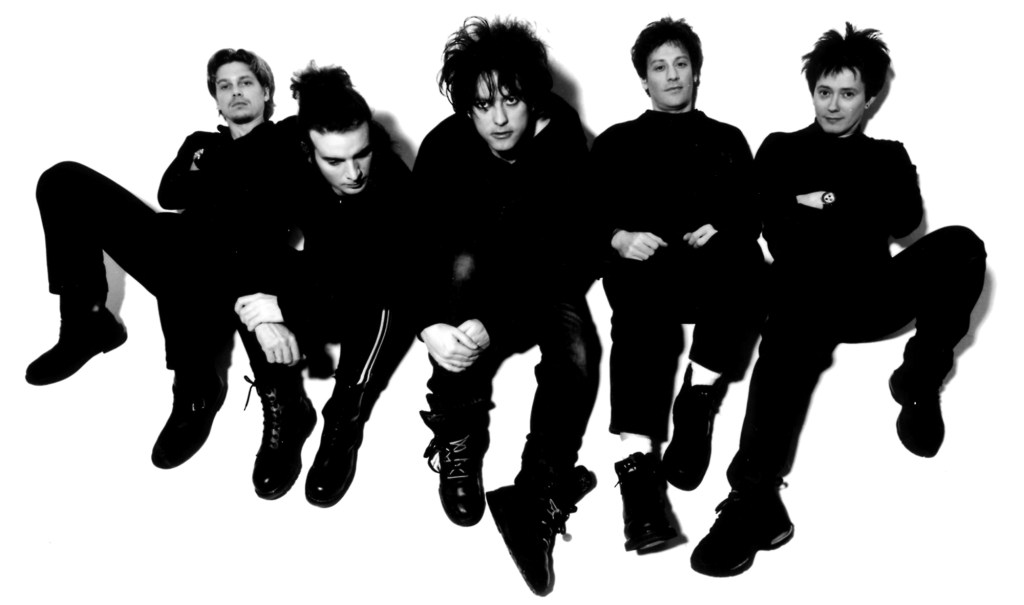
Image Credit: The Cure Official Website
Led by frontman Robert Smith, the band began their musical journey as a trio of
schoolmates practicing in their local church. Drawing influence from the likes of David Bowie and Jimi Hendrix, ‘Easy Cure’ would impress the UMG-owned Fiction Records, with whom the band would record their first album.
In May of 1979, the punk-inspired Three Imaginary Boys was released to the world, impressing critics and fans alike. However, something about the record displeased the trio; Smith in particular believed the album lacked emotional substance, openly expressing his distaste for the LP when it first hit the shelves.
It was only when the Cure supported prolific gothic rock band Siouxsie and the
Banshees in their Join Hands promotional tour that Smith would realise producing
music with meaning and emotion did not have to be conveyed through raw energy
alone.
Inspired by Siouxsie Sioux and her ability to turn her personal struggles into poetry and music, along with her signature gothic style, thus began The Cure’s evolution into gothic rock, and the evolution of the goth subculture altogether.
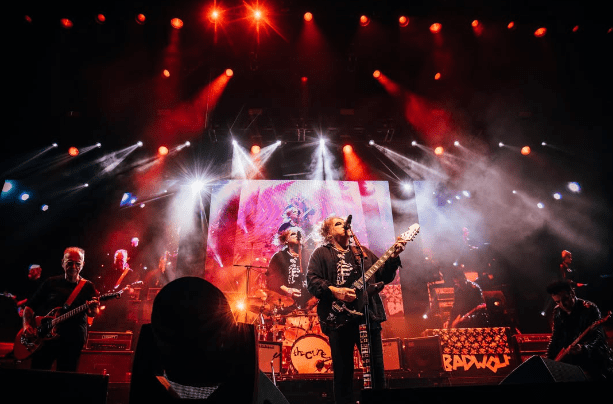
Image Credit: The Cure / Instagram
1980’s Seventeen Seconds was the genesis of the band’s darker, introspective theming.
Songs such as A Forest were praised for their ability to generate an enveloping
atmosphere without the need for complex instrumentation.
However, the release of Faith in 1981 and Pornography in 1982 introduced the band’s
classic sound; catchy and dominant basslines were blended with haunting layered
guitars that flooded each song with an otherworldly sense of desolation.
These records also demonstrated Smith’s songwriting ability, delving into themes such
as loneliness, romance, and even death, bridging the gap between pain and beauty and
illustrating the mesmerising yet somewhat nightmarish world that Smith saw around
him.
The emotional openness of Smith’s writing would bring a change to the alternative
community that found meaning in his words. The focus on heartbreak and vulnerability on records like 1989’s Disintegration was step away from the often angry and unpersonal lyrics of the punk scene from which post-punk originated.
Much like Boys Don’t Cry, many of those in the alternative scene found solace in Smith’s
words, marvelling at his thorough descriptions of dread and despair whilst connecting
with his deep understanding of sensitivity, and many saw him as a poet as much as he
was a singer.

Image Credit: The Cure / Instagram
It’s no surprise that fashion in the early goth scene resembled his signature look; whilst
his theatrical style was reminiscent of the punk scene which came before, Smith’s
iconic smudged eyeliner, red lipstick, and wild, backcombed hair would become
common amongst gothic communities.
Many call his rejection of typical gender conventions an expression of his capacity to
show vulnerability, an aspect of Smith’s lifestyle that was evident in his writing as well
as his look. Much of the gothic fashion in the modern age is based around showing
one’s vulnerable side, much of which originates with Smith and his subversive style.
Ultimately, Robert Smith wanted to show the world that you could rebel without hatred
in your heart. He rejected the standards of music, writing, fashion, and art, not ignoring
the world but instead contemplating and accepting its ever-changing machinations.
The Cure found beauty in what the rest of the world would call darkness, and whilst the
world continues to change and grow past our understanding, their music and messages
will forever stand the test of time as a core of the goth subculture.




 The Mourning Paper