

In the 90’s and early 2000’s, the central belt was home to many popular alternative clothing stores. Since then, this number has declined dramatically.
Stores that no longer exist such as Cyber and Flip, both glasgow-based shops, are recalled fondly by the Scottish alternative community as part of a time when alternative fashions could be bought readily and in person.
In the late 1990’s, a store called Hellfire took Glasgow City Centre by storm, offering a type of alternative fashion never seen before. The shop focused on occult styles and gothic inspired slogans.

As their fashion collections and customer-base expanded, Hellfire changed its name to
Killstar and closed its in-person stores, becoming one of the most popular online alternative stores in the UK.
Although an example of Scottish success, Killstar’s growth has led to its ability to create mass-produced products. As it continues to grow in profits, it becomes part of a larger problem, threatening small businesses.
Barry and Clair Wilkinson of Glasgow’s Noir Night Market said, “Killstar dominated the market quite a lot, to the point that other brands are constantly playing catch up. I don’t want to call Killstar mainstream, but they dominate the market a little.
“At markets, you certainly find things you wouldn’t find in any online store. That’s
alternative!”
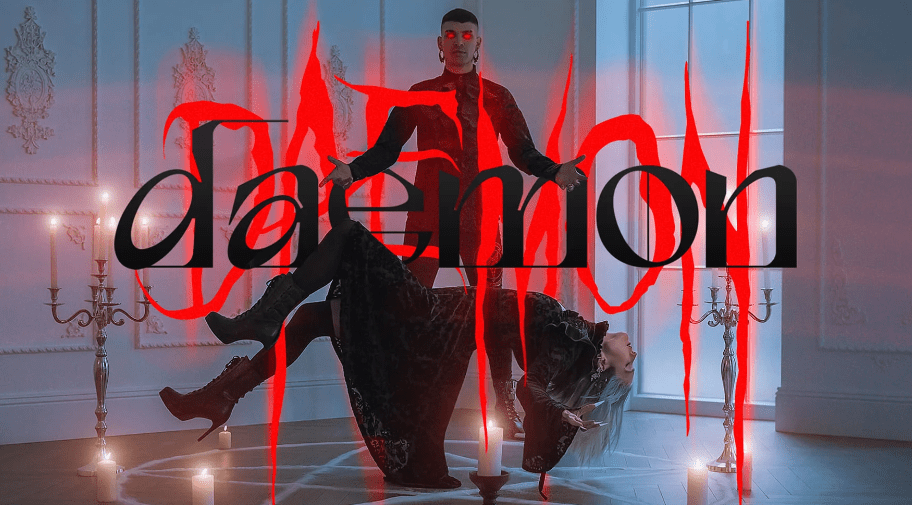
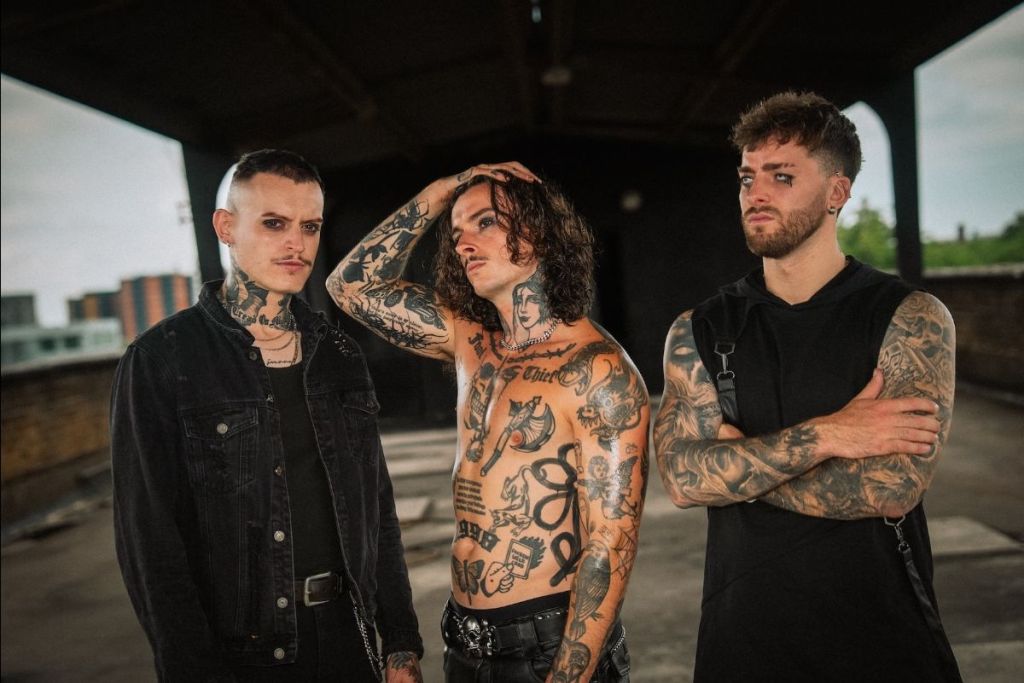
Image Credit: Killstar Lookbook
Other challenges have led to the decline in brick-and-mortar alternative stores. During
Covid-19, in-person sales ground to a halt for many stores, forcing a mass move to online platforms.
Some businesses never fully recovered from this change in service, opting to remain as
online-only.
Mike Freedman is the owner of Dark Fashion Clothing, an Ayr based alternative clothing store. Freedman closed his storefront around 7 years ago after finding it difficult to financially support a shopfront.
He said, “We briefly had a shop in Ayr, Scotland, but have now closed the store and operate online only.
“We actually opened our online store before the physical shop, and it is clear now that
businesses need to operate online to survive, whether they have a brick-and-mortar or not.
“There were several alternative shops in the area when we opened. However, most retail has now moved online. We found it impossible to make the physical store profitable. Most of them are closed.

Image Credit: Dark Fashion Clothing Logo
“There were around five shopfronts in the area when we opened, and I think there is only one left now.”
Not all businesses suffer from the presence of mass-manufacturing alternative stores. Dark Fashion Clothing, for example, rely on other brands to make the items they sell.
Freedman said, “These brands and their name recognition are the foundation of our
business.”
Owners of the Noir Night Market, Barry and Clair Wilkinson, also run online alternative clothing store, Dark n’ Twisted. They started the store during lockdown, while many other alterative stores shut their doors.
The couple found it hard to find clothes that they wanted to wear and saw a gap in the
market for a specific type of alternative clothing.
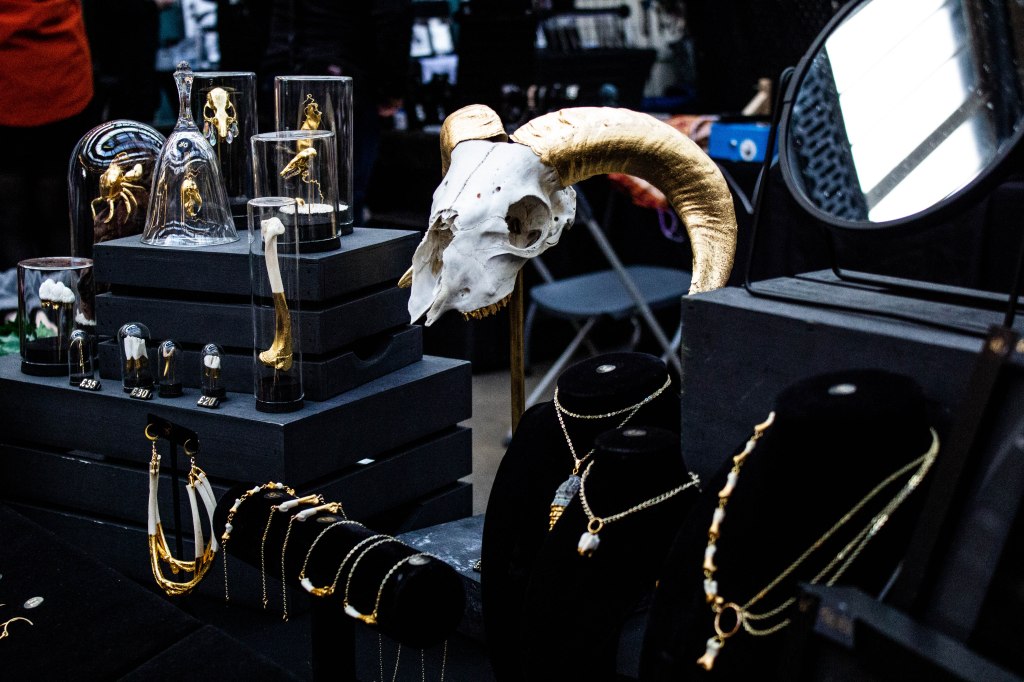
Image Credit: Noir Night Market
“The alternative is individualised. You don’t want to go out and be seen looking like
everyone else. What’s considered ‘fashionable’ can all look the same.” Barry Wilkinson said.
“Especially for me, being an alternative man, picking alternative clothes can be really
difficult.
“You can either wear a pair of jeans, socks and a band t-shirt or you can look like a Victorian vampire. That kind of Interview-with-a-Vampire-spirit. There’s no in between.”
The pair host a market-stall version of their store at various goth events in the UK. Through doing this, they bring the joy of in-person shopping to alternative subcultures across the country.
“We take it to Whitby; we take it to Leeds too. We’re going to Bristol soon!
“Being in Manchester with it, we always get a good reception and we always do well there. We’ve made a lot of new friends and built a community through the store as well.”
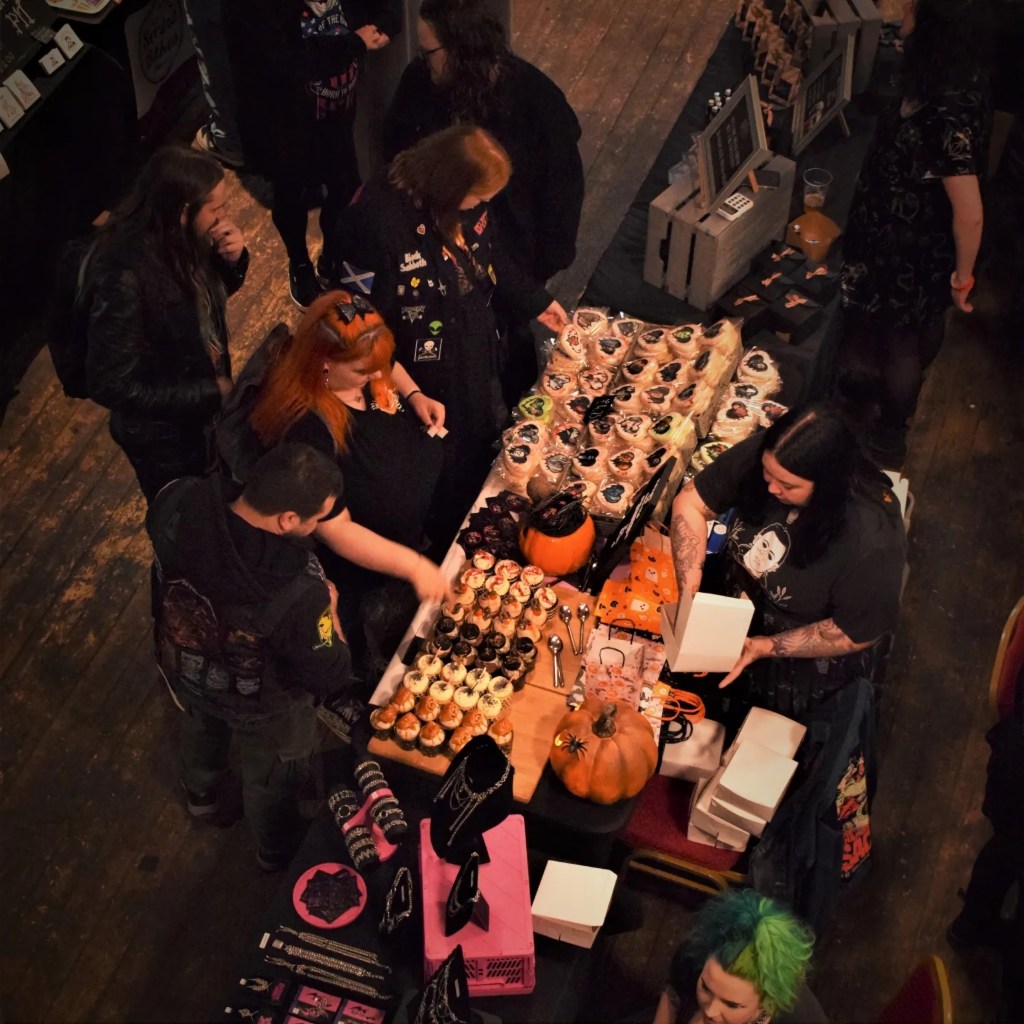
Image Credit: Noir Night Market
Since the early 2000’s, various factors have made it more difficult to maintain storefronts selling goth, punk and generally alternative fashion.
One of the simplest reasons relates to the nature of ‘alternative’ fashion. When fewer
people are likely to appreciate, buy and wear an item of clothing, potentially due to the
extremity of its style, it has a knock-on impact on the business selling it.
Often, alternative stores stock handmade items made by smaller businesses which take
longer to create and are higher in cost. While these pieces are better quality and will last
longer than most items found in traditional high-street stores, the demand for them is not as high.
Smaller grassroot stores generally make less profit than larger stores. For alternative clothing shops, this means they cannot invest in PR which is crucial for their expansion.
Clair said, “Rents are expensive too, and quite prohibitive, I think. Council rates are an issue. A lot of the affordable buildings are in undesirable parts of towns or cities. This negatively impacts a store’s footfall.”

Image Credit: Noir Night Market – Instagram
Across high population areas in the UK, it’s a common phenomenon for alternative
youngsters to gather in specific areas to socialise. While this shows a lack of under-18 specific events, it also highlights where in-person alternative stores would thrive. Sadly, however, it’s unlikely that small independent businesses can afford the cost of owning a shop these central-based areas.
Kaci O’Meara, a Glasgow resident, says she is very passionate about supporting small
alternative businesses to keep shop fronts open.
“I think it’s so important because alternative shops create a sense of community and, as
someone with a bit of an online shopping problem, it’s better to see items in person.
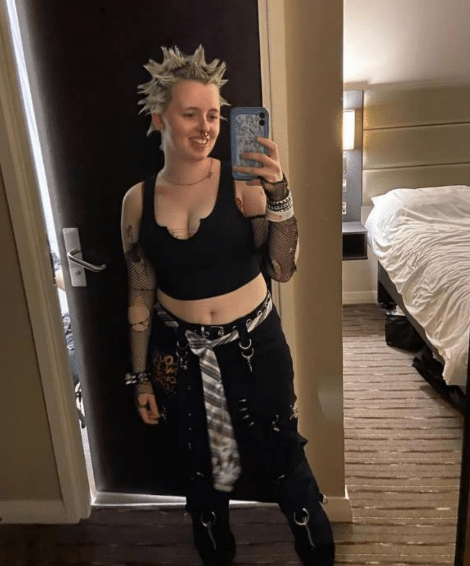
Image Credit: Kaci O’Meara
“It means you can actually have a chat with the seller too, instead of buying something
online with no communication and without an aspect of socialising.”
Scotland’s decline in alternative stores threatens the future of its alternative subcultures, as society moves from real-life influences to social media fashion trends, handmade to mass produced.
To protect the existence of alternative fashions stores, shop owners are encouraging
customers to spend less online and more time supporting brick-and-mortar stores.
Barry Wilkinson said, “We used to have an awesome alternative scene here, it all went away. It’s gone away because people aren’t using the spaces.
“Business owners will move onto other things. It’s important to support the businesses
within the community, because if they don’t, what they offer goes away. The whole thing just goes away.”
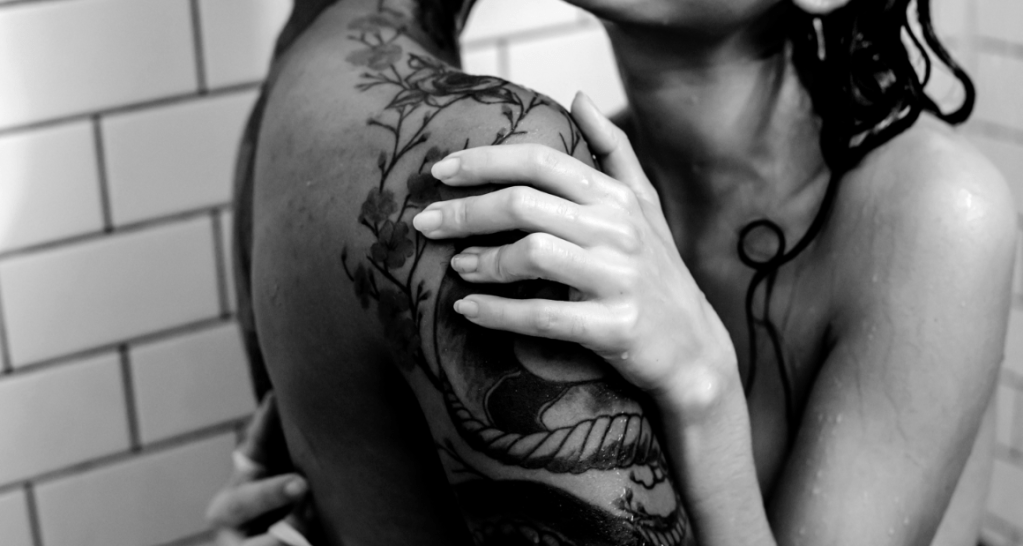
Featured Image Credit: Depidiomias

 The Mourning Paper