
The Witches of Scotland campaign has created a “living memorial” to those persecuted under the ‘Witchcraft Act’ which plagued the country from 1563 to 1736.
Witches of Scotland, an organisation spearheaded by Clair Mitchell and Zoe Venditozzi, is a movement seeking government recognition and justice for the 4000 individuals, mostly women, who were tried as witches.
The pair have successfully registered a brand new tartan representing the victims of Scotland’s witchcraft accusations.
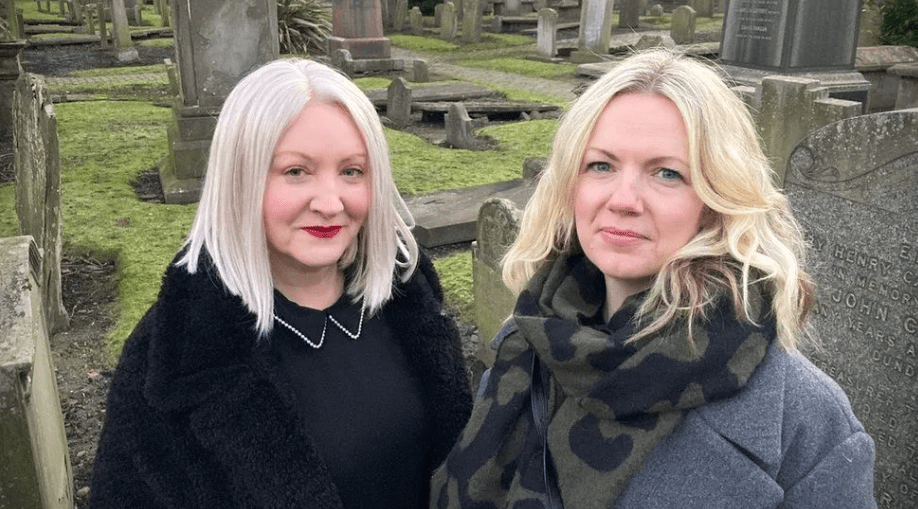
Image Credit: BBC News
Designed by Prickly Thistle owner, Clare Campbell, the black and grey used represents the metaphorical darkness of this period, as well as the ashes of those burned as witches.
The red and pink reflect the tape used to bind legal documents both then and current day.
Astounding thought has gone into the creation of this design, with the thread count incorporating the years 1563 and 1736 as single entries.
The white represents the movement’s goal to ensure pardons, apologies and memorials are given.

The Official Witches of Scotland Tartan, The Scottish Register of Tartans.
Proceeds from all sales of this tartan will support the charity’s efforts, helping the organisation reach their next goal of an official government pardon for all accused of witchcraft.
The inspiration for the design came after a visit to Dundee’s Tartan Exhibition, an event which gave Clair the idea to create a pattern that commemorates those lost.
She told The Herald, “Everywhere you go, people ask, ‘Is that your tartan?’
“Those who wear ours can say, ‘Yes, this tartan remembers all those persecuted and killed,’ and share their stories.”
The women constantly advocate for awareness and the creation of memorials. One of their most significant victories came in the form of an apology from previous First Minister, Nicola Sturgeon.
Until 2022, no formal recognition or apology for the horrors inflicted by the Witchcraft Act had been issued.
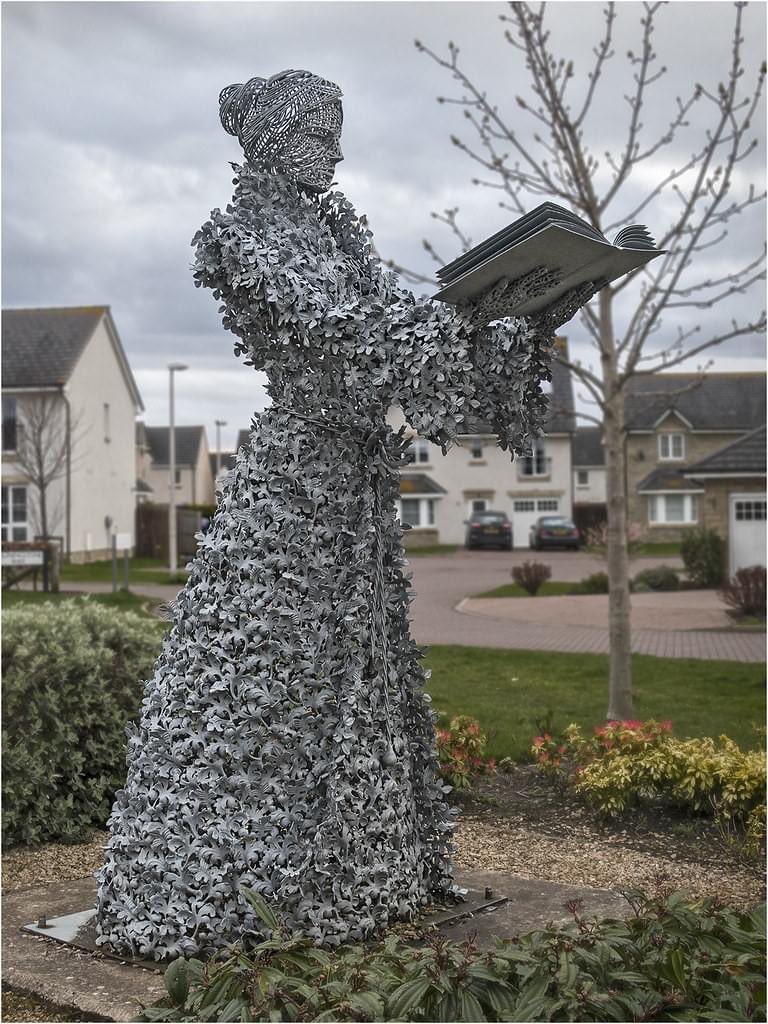
Image Credit: For Women, Scotland
During her apology, Sturgeon said, “In Scotland, the Witchcraft Act may have been consigned to history a long time ago, the deep misogyny that motivated it has not.”
“We live with that still. Today it expresses itself not in claims of witchcraft, but in everyday harassment, online rape threats and sexual violence.”
As of 2024, no official pardon for the victims have been given, but the team are hopeful that this will change.
A pardon would not only assist in healing the scars left from a dark time in Scotland’s history; it would send a powerful message, particularly to countries where witchcraft persecution is still commonplace.
For International Women’s Day 2025, let’s share the stories of those lost to religious fear and support an organisation aiming to change the narrative. Let’s shift our society’s perspective of these victims from ‘witches’ to women.
You can follow the Witches of Scotland Campaign via their website or through their various social media accounts.




 The Mourning Paper