
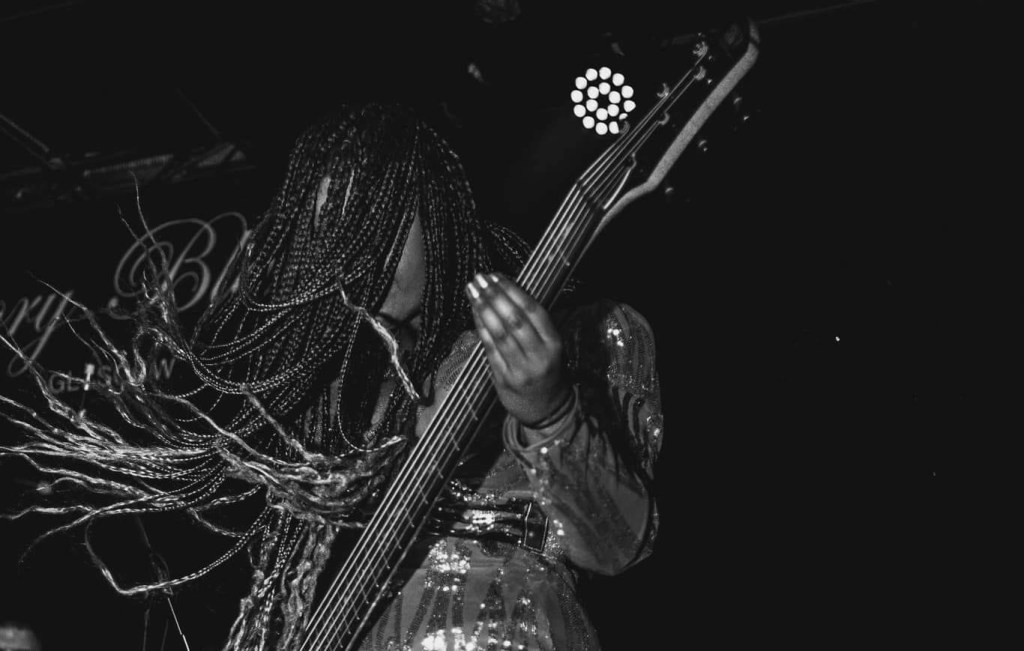
Carys Serries is a 29-year-old metal musician and systems engineer living in Glasgow. In 2018, she faced a harrowing attack that led her to evaluate the experiences of alternative
people of colour.
During a charity gig, Serries had noticed that her boot was breaking. Realising she didn’t live too far, she began the trip home to replace it. On the way back, however, she ran into a group of people who, motivated by her alternative appearance, intended to cause her harm.
“These teenagers just started shouting ‘goth’ at me, I didn’t know them. Then they jumped me from behind.” She explained. “I got punched, and eventually they got me on the ground and started kicking me. This only stopped because a taxi pulled up.”
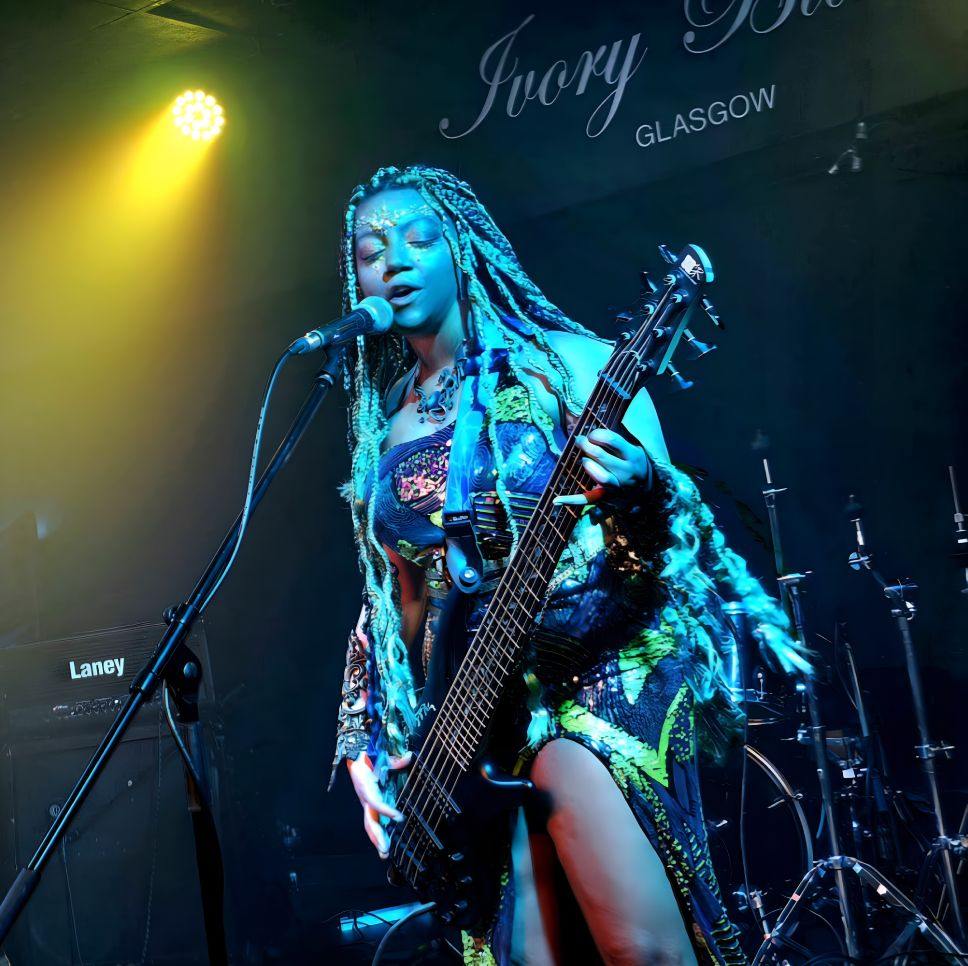
Image Credit: Scott MacLeod
She said, “I got up, holding broken parts of my outfit. I was like ‘call the police, call the police’, but the driver went and drove away. They drove away and left me with these people after seeing me getting done in.”
Sadly, the taxi was not enough to dissuade her attackers, as they returned to attack Serries once more.
“Eventually they stopped, and I took my opportunity to run back to the venue I was working in. The venue owner called the police and I spoke to them, gave a statement.
“I made a social media post later that night describing my experience and warning other alternative people to be careful.
“My partners saw my attackers and called the police, describing their exact looks and which direction they were heading, but the police didn’t take it seriously – the women on the phone was quite rude to my partner.”, she recalled.
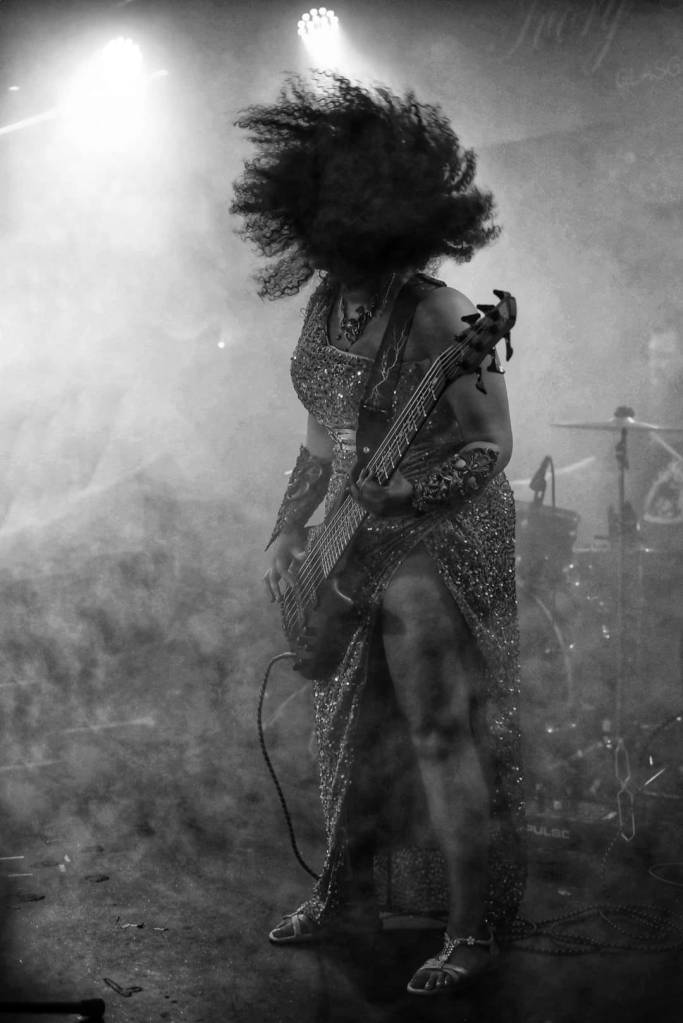
Image Credit: Dal Riata via Facebook
After contacting her MP regarding the incident, Serries noted that it seemed to be treated as a common thing for alternative people to be harassed or assaulted.
“Sexually assaulted as well,” she remarked, “There’s always that take that goth girls are super kinky. The police just kind of shrug incidents like this off.”
The police were passive following the incident report, despite its directly aggressive and serious nature.
“They took two weeks to get CCTV from what I think was a pub, but they could not name [the attackers] following that event and I had sustained a concussion from getting kicked in the head.
“I’ve walked past groups of teenagers and thought ‘is that them?’, but I can never be sure because I was on the ground.”
After this traumatic experience, Serries found herself facing doubt from friends and social media, as people claimed she made up the experience for attention. She believes racial stereotypes played into the public reaction to her experience.
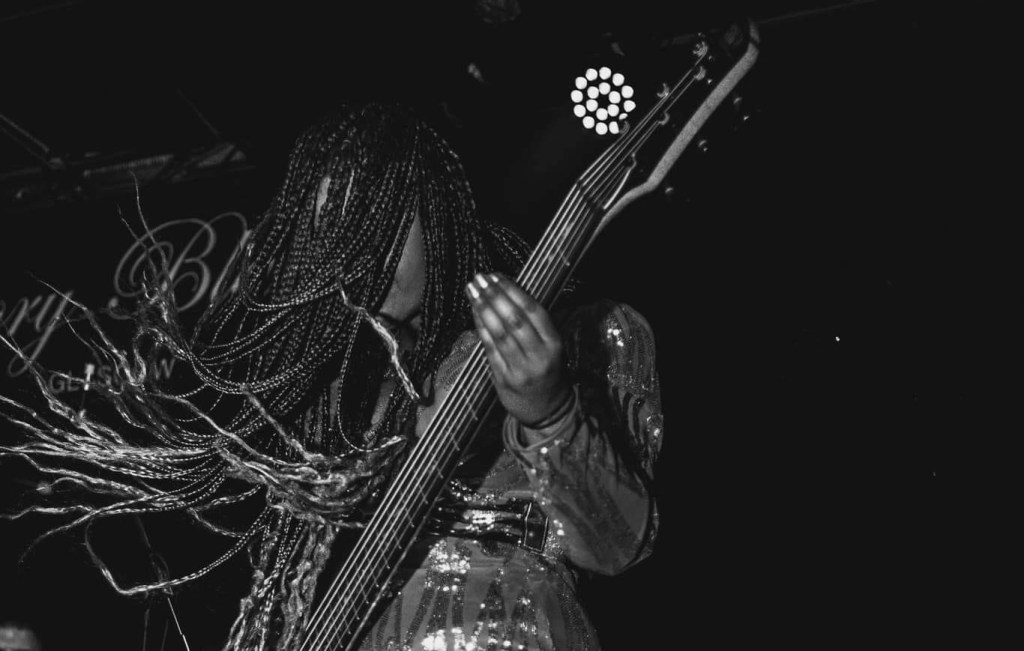
Image Credit: Dal Riata via Facebook
After Serries went public with her story, she faced almost immediate backlash,
receiving messages approving of her attack and saying things such as that she deserved to die.
“I had posted some images of my injuries to raise awareness and people still said that I was lying and inflicted them on myself to make people believe me.
“I lost so many friends who believed that I may have antagonised them. Very usual stereotypes against black women, like the idea that I’m being ‘aggressive’.
“Even if I did antagonise them, I still wouldn’t have deserved to be kicked in the head by five people. Whereas another goth couple was attacked in Scotland not long after and they had been fighting with their attackers beforehand.
“Despite this, they didn’t face comments defending their attackers like I did.”
Most surprising was the negative response from within the goth community. Many claimed that she did not belong to the subculture due to the colour of her skin, invalidating her experience as an alternative person.
Serries said, “My siblings are also black but not into any alternative music and they’ve experienced a fraction of the racism I’ve experienced. Even a couple weeks ago, I got called the n-word at a gig and the person was made clear to staff but not thrown out.
“It’s because we’re a minority in a minority. It’s much easier, I think, to be racist. I’ve been spat on, and I’ve been jumped because I’m black, and that was from within the community.”
Serries recalls struggling at the time of the backlash, stating that it was often harder to deal with and more traumatic than the attack itself.
“The people who attacked me did so because I was alternative, the alternative community attacked me because they didn’t like that they were getting media representation from a black girl.”
Dr Francis Stewart, a Lecturer in Sociology at the University of Stirling who specialises in studying aspects of subcultures, commented on the existence of racist beliefs within
alternative communities.
Stewart said, “There isn’t enough critical reflection on what we bring to our subcultures with us. Subcultures are made up of people and we all bring our prejudice, but we also bring our experiences including social conditioning and disciplines.

Image Credit: CotonBro Studios / Pexels
“This means that we do bring white supremacy, we do bring heteronormativity, we bring patriarchy – whether these are internalised or externalised. This means they become embedded in alternative subcultures. Until each subculture really reckons with that, we’re not going to root it out.”
Serries refused to let her experience discourage her from trying to make a difference,
contacting her local MP about alternative prejudice, and encouraging prompter responses from Scottish police following future incidents.
Something positive to have come from Serries experiences was her creation of ‘The Black Alternative Community’, a Facebook group with over fifteen thousand members, within which black alternative people can share their experiences and passions safely.
“In all the years of that group, we’ve never had to step in because of bigotry. A lot of members post every day because they love the group.
“It’s given them the space to be themselves and meet others like them, gain courage to dress how they want, and get support when bad things happen. We’ve even had a few
relationships spawn out of it.”
Featured Image Credit: Dal Riata

 The Mourning Paper