
Throughout history being queer has consistently been viewed as deviant, taboo or against nature, alike to cannibalism. In the past, the idea of sodomy was considered to be on the same level as a serious crime, such as murder or torture. Desire and sex were once considered a corruption upon one’s soul, purity being taken away by a deadly sin.
While cannibalism and queerness seem devoid of each other, they have been used throughout media to create a vicious combination of metaphorical love. The act of devouring a body is a destruction of the humanity and dignity of the consumed.
Does this horrifying notion suggest a demonisation of queer love or does it imply a deeper longing that, in the past, could only be understood through violence?
In the horror genre, queer people have frequently been compared to monstrous creatures such as vampires and werewolves. When it comes to the queer cannibal, there is an unmistakable desire to consume and corrupt, the idea originally stemming from social worries about queer communities growing and expanding.
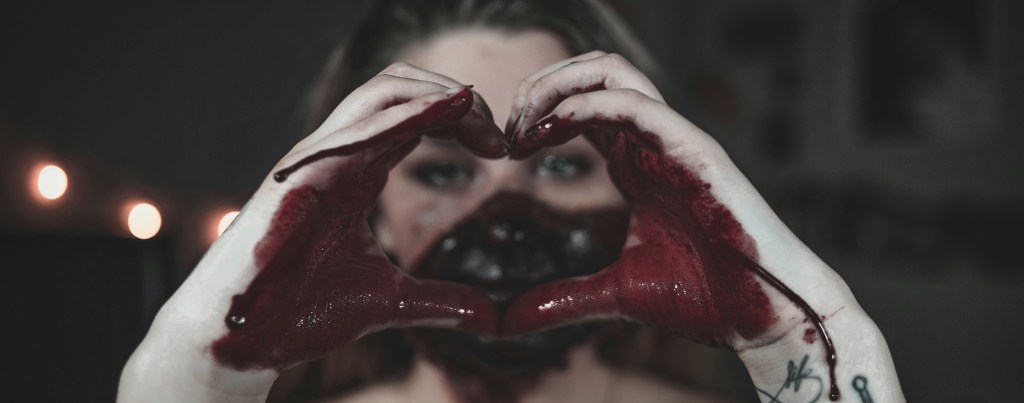
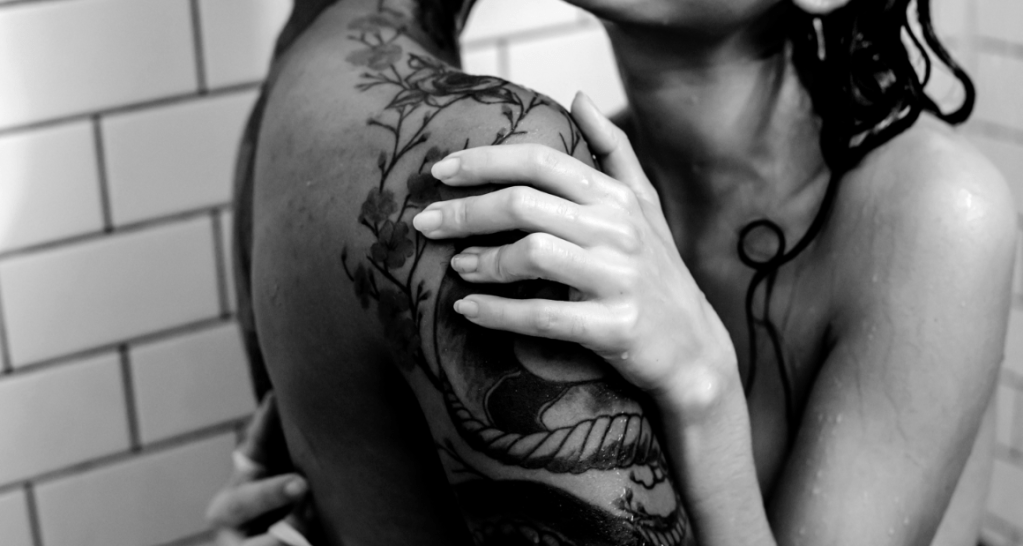
Image Credit: Jonathan Cooper / Unsplash
Society tells queer people from a young age their desire is wrong, wicked and warped. The queer cannibal trope within horror explores how this suppression of desire can manifest in pure destruction.
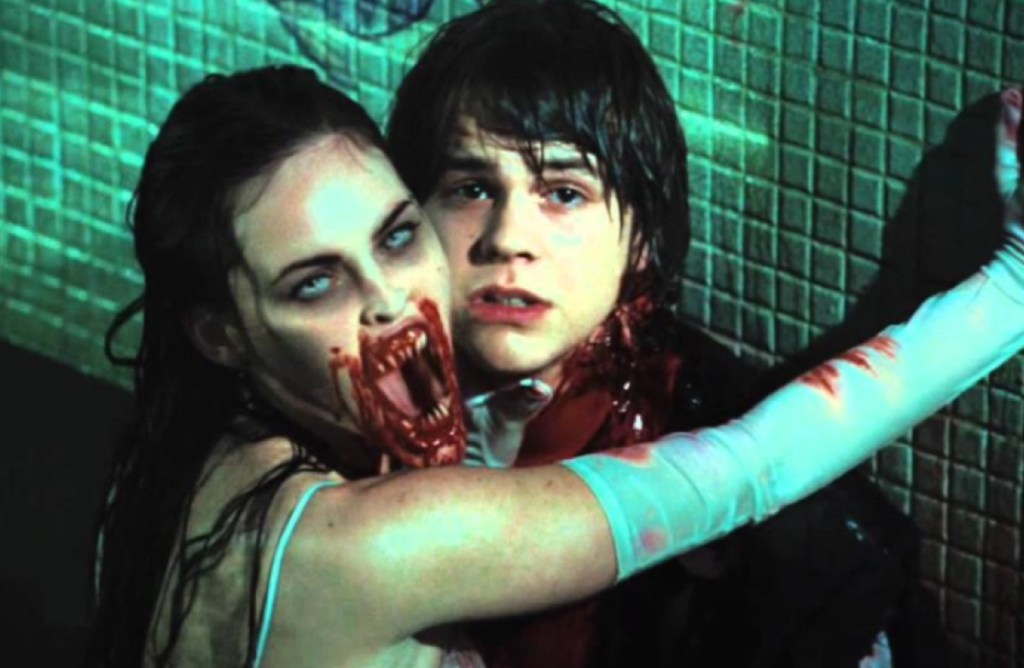
Jennifer’s Body (2009), written by Diablo Cody, perfectly demonstrates queer desire through acts of cannibalism. Jennifer is a teenage girl who suffers at the hands of a vile group of men who attempt to sacrifice her, unsuspecting that she would come back possessed and with an appetite for revenge. Cannibalism is used as a form of female queer vengeance as the movie explores female rage and the complex development of the main character’s relationship with her best friend, Needy.
There is an undertone of bisexuality throughout the movie as Jennifer expresses a desire to consume Needy as well as the men in the film. The key queer moment shines when Jennifer kisses Needy. Their dynamic comes to a tipping point, transforming into a twisted scene of love and the breaking social conventions.

Featured Image Credit: Jennifer’s Body (2009) / Diablo Cody
Diablo Cody likely intended the movie to explore themes of feminism and bisexual attraction under the guise of horror media so that the themes were more easily digestible. Jennifer’s Body is now remembered for being a genre subversion and was praised for commenting on unique themes at the time of its creation.
The Hannibal television series (2013-2015), written by Bryan Fuller, emphasises the destructive yet addictive relationship between Hannibal Lecter and Will Graham. Their tension is homoerotic, yet this was arguably turned more into subtext to ensure the show didn’t face censorship. Ironic for a show with a cannibal for the main character, yet their intimacy is undeniable and surpasses any ideas of friendship, love or hatred.

Image Credit: Hannibal TV Series (2013) / NBC
Their characters transcend labels as their relationship is built on a deep understanding with just a grain of manipulation. The reception of Hannibal and Will’s dynamic has been one that sees past the lack of official confirmation and sees their relationship for what it is: a blood-soaked understanding of two people’s corrupt souls.
Cannibalism is a representation of Hannibal’s tortured life, but also an ideology that he feels he can only share fully with Will, the one man who has an inkling of understanding of him. Their relationship represents social rejection, isolation and feeling like an outsider, but shows that the one person who can understand you can make it all worth it.
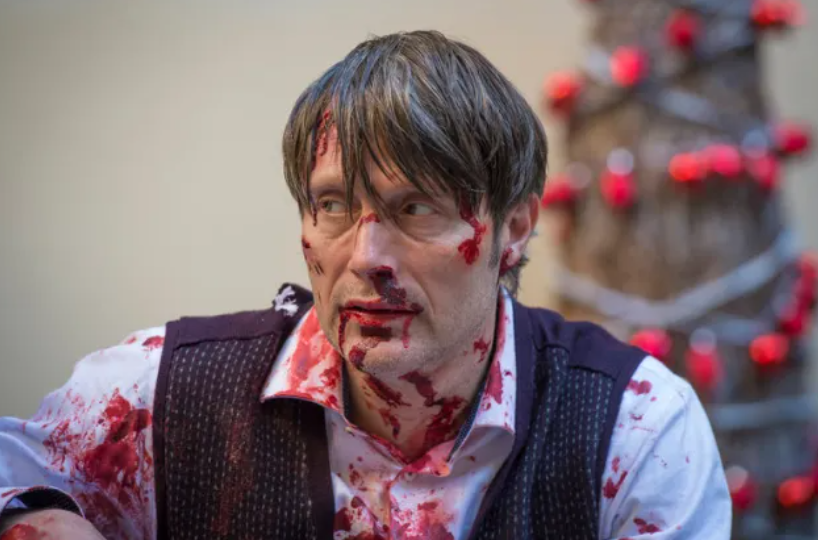
Image Credit: Hannibal TV Series (2013) / NBC
Despite these remarkable depictions of queerness through a horror lens, there comes the poisonous question: is comparing queerness to monstrous crimes dangerous?
On one hand, it could be argued that it is a reclamation of queerness from being seen as a criminal offence in the past and throughout the world. On the other, one may suggest how it could be giving in to the idea of the queer community as predators.
It raises a complex discussion into how queer people are portrayed in the media and the effect it could have. It could be said that people who do not wish to humanise being queer never will, and won’t truly grasp the intimacy of the queer cannibal trope no matter how it is portrayed. The duality of the responses to the queer cannibal range from deeming it problematic to being adored by LGBT communities. Many supporters of this trope argue that the cannibalism portrayed is used as a metaphor within storytelling.
In the case studies analysed, it remains true that cannibalism is used to break social norms through the gore of horror. The genre allows creators and audiences to explore taboo feelings and desires without true harm; the queer cannibal trope utilises this to portray the manifestations of repressed queer desires; making the genre a portal of endless possibilities for queer creators.
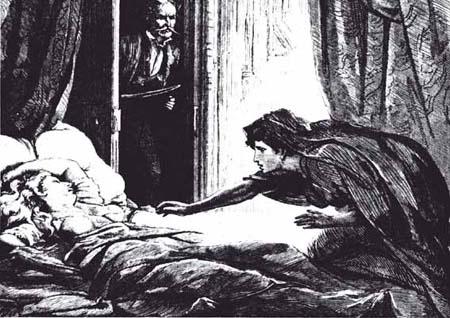
Looking inwards towards the gothic genre itself, it has always been used as a tool to express forbidden desires. Dracula by Bram Stoker, Carmilla by Le Fanu and The Picture of Dorian Grey by Oscar Wilde all offer queer readings during a time where certain kinds of love were censored in literature. The queer cannibal represents the continuous struggle of queer stories being told and adapted into media, outlying the concerns with censorship surrounding the community. Within the horror and gothic genre, queer stories are given more freedom to explore the deepest depths of unconventional yearning.
In the 21st century, the queer cannibal has risen as a cultural phenomenon and tends to be looked at fondly by members of the community as a brutal yet honest portrayal of intense queer love.
The trope typically isn’t trying to portray queer love as monstrous but as different, unique and something breaking the chains of social captivity.
In the dark realms of the gothic, we can chew on taboo and feel refreshed, gaining a new insight each time. Beyond the guts and gore lies an intense desire for intimacy, where more is never enough. What’s more terrifying than being blocked from that burning craving?
Featured Image Credit: Jennifer’s Body (2009) / Diablo Cody

 The Mourning Paper