
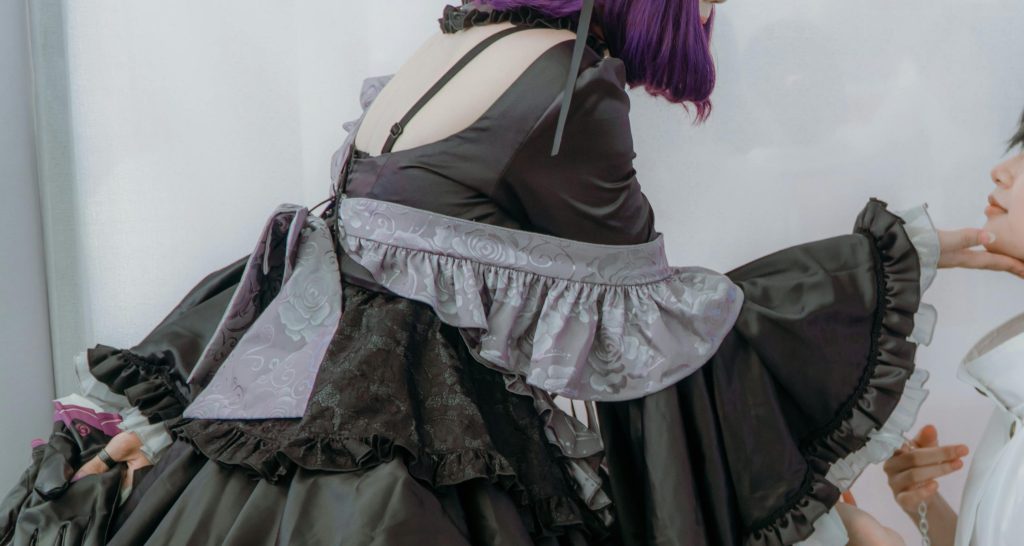
Gothic Lolita is a Japanese fashion subculture that blends doll-like silhouettes with Victorian elements. It emerged in the late 1990s, built upon inspiration from Visual Kei bands that expressed gender fluidity through forms of glam punk and gothic rock.
The androgyny and unconventional looks from Visual Kei bands such as Malice Mizer gave the fashion life.
Recently, Lolita fashion has evolved into more than a style, gradually transforming into a feminist statement for Japanese women and later, for women worldwide.
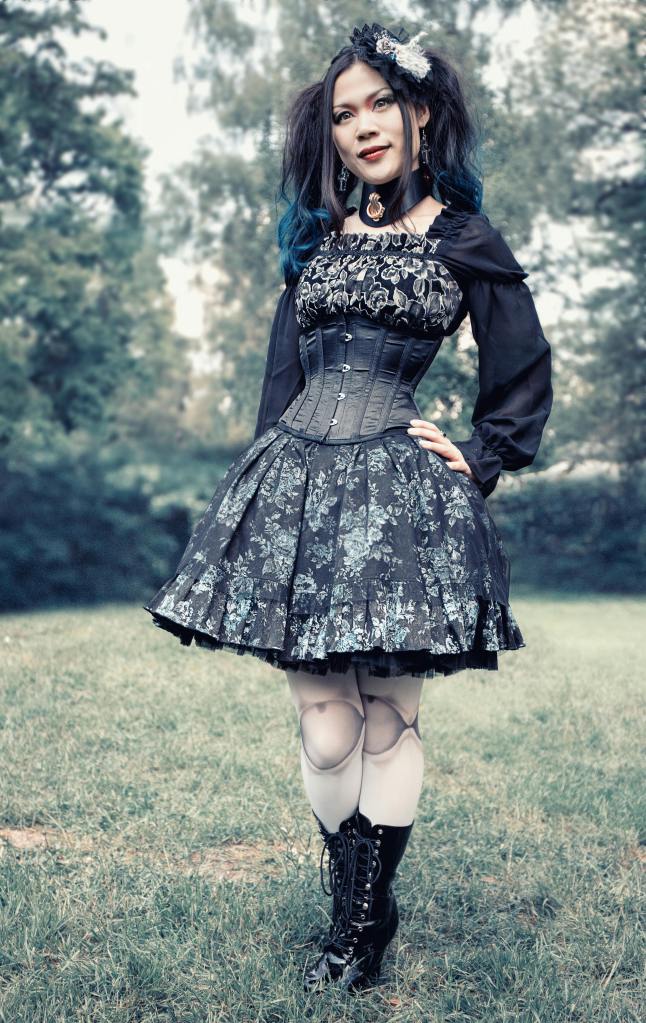
Image Credit: Pexels / Antonio Friedemann
Gothic Lolita is a subset style of Lolita fashion, blending modesty with Gothic motifs such as roses, bats, vampires and crosses. The style seamlessly incorporates bell skirts, petticoats, lace gloves and parasols into a romantic goth fantasy. Deep purples, scarlet, navy and black are primary colour palettes of the style.
Mana’s Impact
Malice Mizer member, Mana, popularised the style through the creation of his fashion label ‘Moi-même-Moitié’ in 1999. The label remains a setting stone for the basis of the subculture. Gothic jewellery, knee-high socks, ribbons and handbags – Moi-même-Moitié’s designs balance ornate gothic embroidery with refined Victorian tailoring, often incorporating religious iconography, crucifixes, and intricate lacework.
Mana’s own androgynous style reflects Gothic Lolita elements well. His outfits typically incorporate frills, dresses and corsets. Mana’s makeup highlights a doll-like porcelain base, present in many gothic subcultures, with dark eyeliner and purple to metallic silver eyeshadow. The effect is beautiful and unsettling at once.
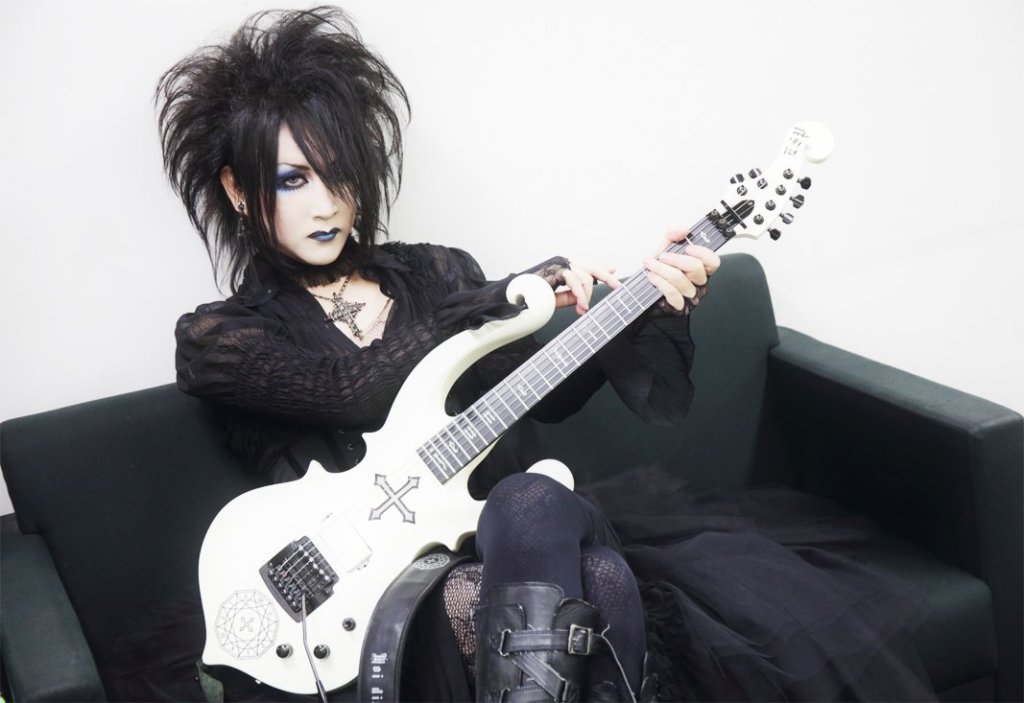
Mana. Image Credit: JRock
The sickly yet stunning makeup is used frequently in Gothic Lolita, embracing its doll-like core inspiration. Just like Mana, many Lolitas wear wigs to emphasise elegance and to further style themselves to their desires.
Malice Mizer and the Visual Kei movement helped the Gothic Lolita subculture become popularised internationally. Through early internet forums and the scanned Gothic & Lolita Bible spreads, Mana’s image traveled far beyond Japan, inspiring international fans to adopt and adapt the style into their own alternative communities.
Both Mana and Gothic Lolita have an allure for the dramatic, using fashion plus accessories to elevate symbolic meaning. Malice Mizer and the Visual Kei movement are evidence that music and fashion are closely interlocked and can influence each other into becoming culture.
Lolita’s History
Gothic Lolita draws parallels to the Rococo period, seen through the silhouettes of the fashion. The Victorian and Rococo periods were well appreciated for their rich clothing quality, an aspect of clothing that has slowly dwindled in modern times due to the rise in fast fashion and consumerism. Gothic Lolita strives towards the path of appreciating quality over quantity.
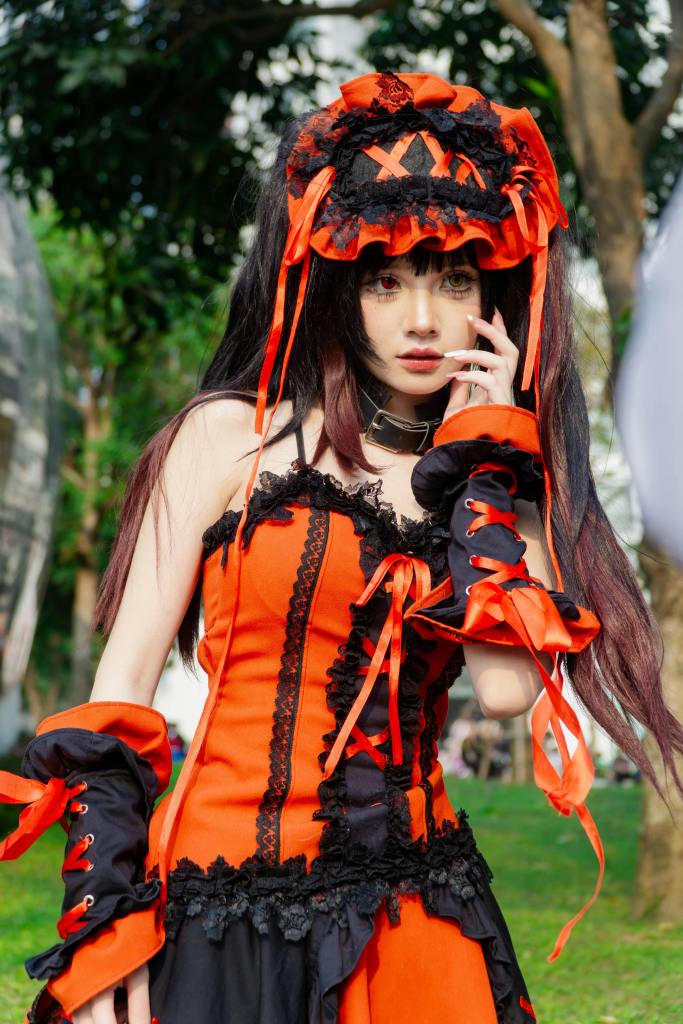
Image Credit: Pexels
In 2001, the ‘Gothic & Lolita’ fashion magazine began publication and showcased a variety of Lolita fashion. Its pages featured sweet Lolita, punk and Gothic. It would highlight the ideals behind the fashion as well as tailoring and sewing DIY instructions. The magazine played a role in introducing people to the subculture as well as recording the early days of the movement.
Feminist Debates
The style has historically been and remains very modest. Lolita fashion itself emphasises modesty and curates a hyperfeminine doll-like aesthetic. Skirts typically fall to the knee or below, necklines are high, and sleeves are often long or puffed. This modest presentation contributes to the style’s “doll-like” aesthetic – an idealised vision of femininity.
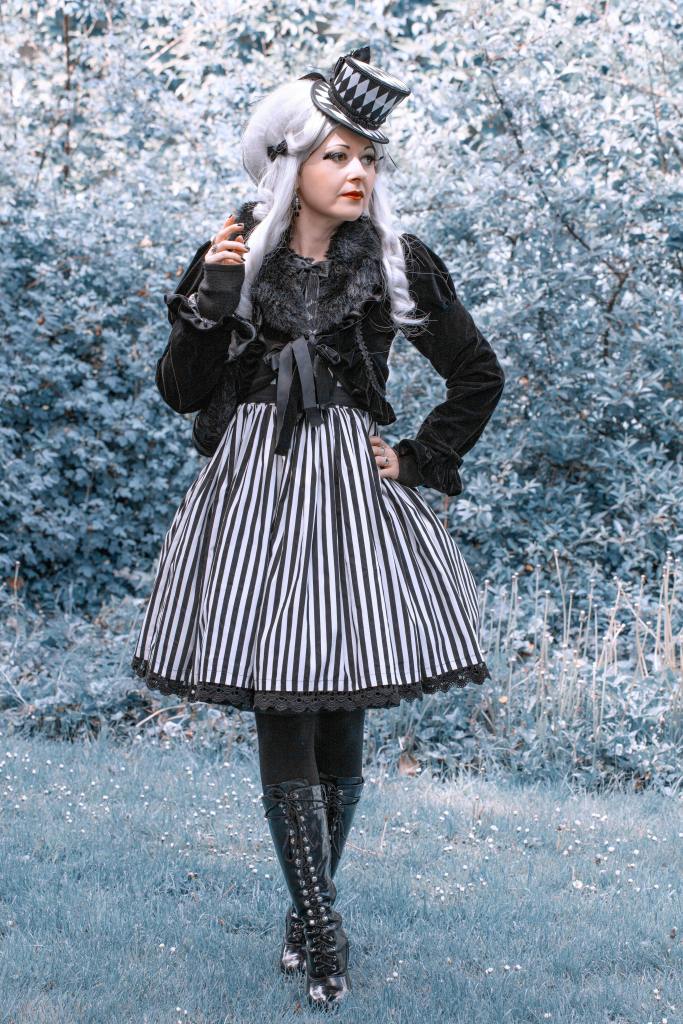
Image Credit: Pexels
For Japanese women, Lolita fashion can be a way to defy social norms and values. From a feminist lens, it can be seen as a way of rejecting modern hypersexualisation of women that has been pushed through the fashion industry within recent decades. Gothic Lolita allows wearers to have the opportunity to redefine femininity on their terms.
In many societies, any form of femininity is seen as inferior and weaker to the masculine counterpart; Lolita fashion rejects this idea, instead focusing on women’s right to express themselves. Lolita has been used as not just a physical transformation but a mental one, making the fashion not just an aesthetic but an experience.
For many, this is part of the appeal: to inhabit a persona that feels separate from the everyday self, allowing an escape into fantasy, beauty, and self-possession.
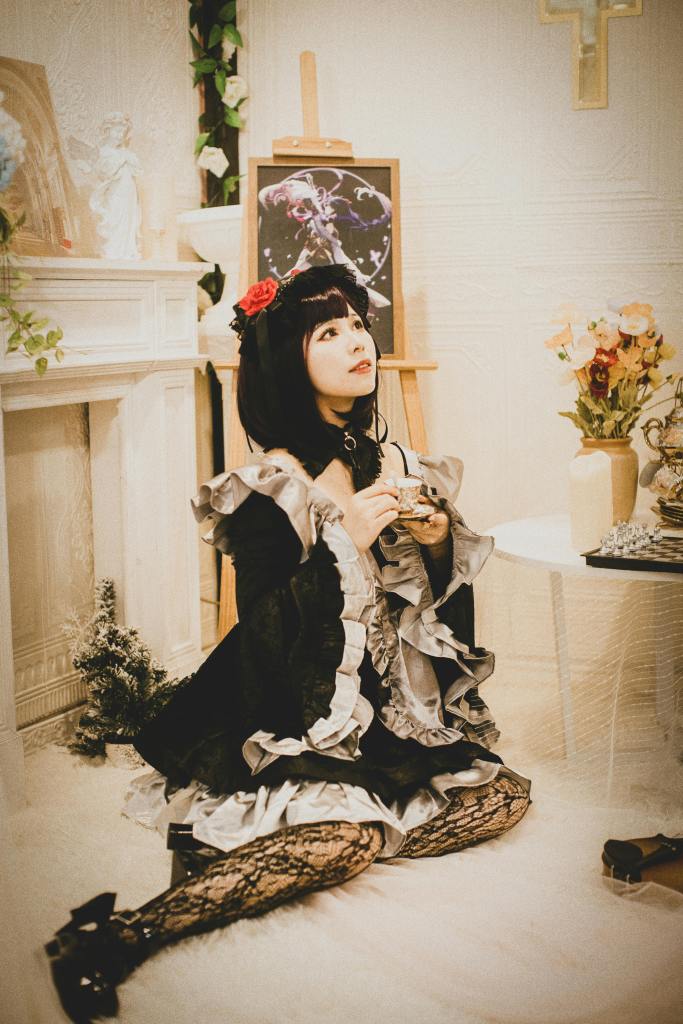
Image Credit: Pexels / Yi Rin
Despite this, not all feminists agree. Many argue the style represents the infantilisation of women, with some suggesting hyper modesty is a form of purity culture itself. The strict rules on modesty align with historical ideals placed on women to control female behaviour and repress sexual expression.
The key difference is that Lolita is a choice, not a law or a style born from social pressure.
Lolita Today
From an onlooker’s angle, the meaning of the fashion can vary from person to person and culture to culture. For example, many in the West misunderstand Lolita as fetish wear. The meaning of it is not set in stone, offering a gateway for imaginative and unique interpretations of the fashion.
Ultimately, most alternative attire is a creative form of expression.
Perhaps most importantly, the Lolita subculture brings together female communities and introduces them to a wider range of ideas on self-empowerment.
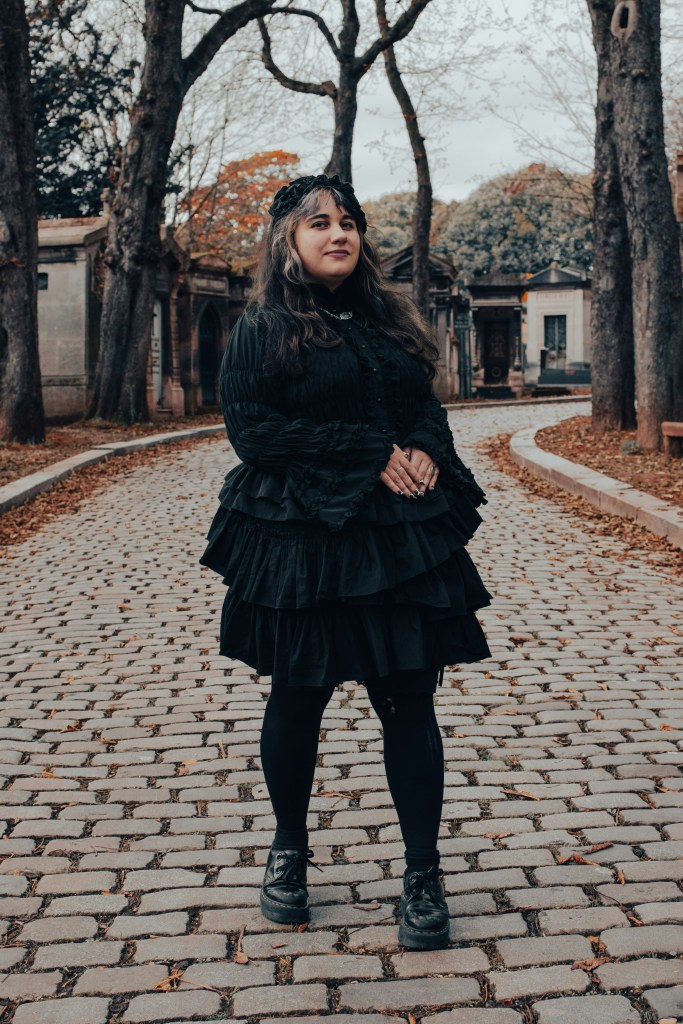
Image Credit: Unsplash / Guillaume Coué
Internationally, Gothic Lolita and Lolita in general have blossomed through online spaces. Blogs, forms and social media have allowed the community to easily set up meetings and share their ‘co-ords’ (coordinated outfits).
Many Western wearers mix authentic Japanese brands like Baby, The Stars Shine Bright or Moi-même-Moitié with off-brand or handmade garments, adapting the style to local availability and budgets.
The Lolita community encourages ethical consumerism, highlighting quality brands, second-hand pieces and DIY with its sub-genre, Gothic Lolita, becoming a staple in the alternative fashion world. Gothic Lolita blurs the lines between the disturbing and beautiful, making way for something wholly unique yet recognisable.
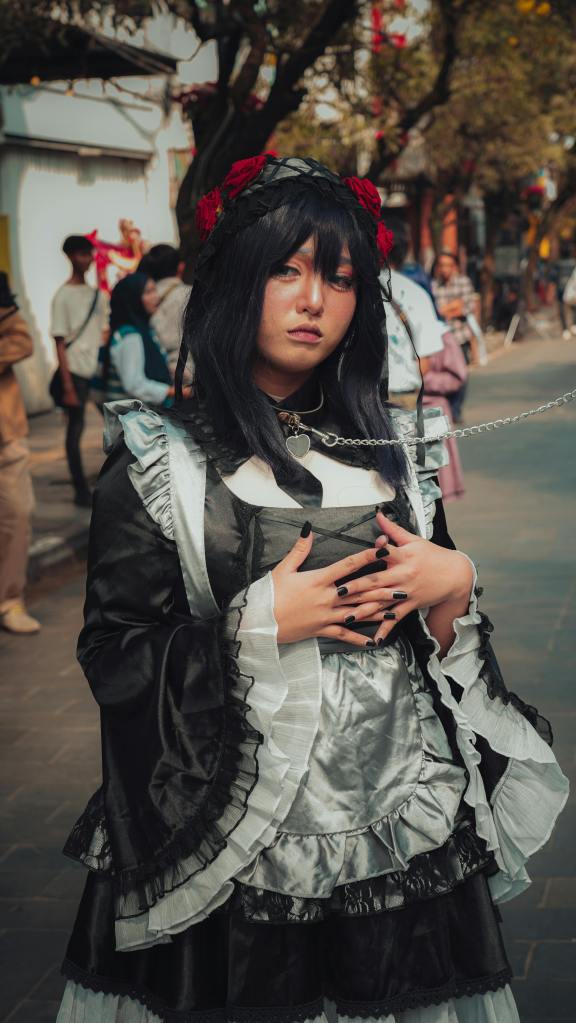
Image Credit: Pexels / Steven Susilo
Lolita is like stepping into your fluid, cloudy dreams where gender is happily blurred and femininity is transformed into a porcelain doll of beauty.
The style has proven that it is more than a trend; it will likely continue to grow and flourish due to the online attention, solidifying that the gorgeous Lolita of the night are here to stay.
Featured Image Credit: Pexels



 The Mourning Paper