
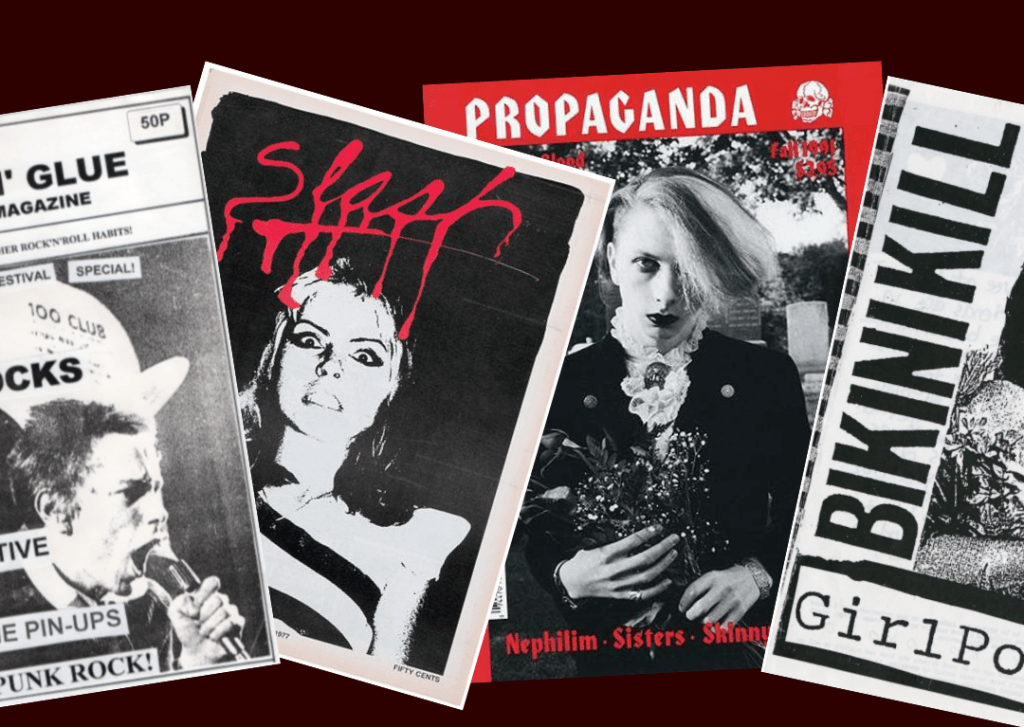
Zines have played a vital role in the propagation of culture, forming the basis for connection between people with similar interests, struggles or beliefs. They are often associated with an anti-establishment perspective and serve to empower marginalised communities. Throughout history, zines have been used to pass information discreetly and build a narrative that is otherwise ignored by society. From their roots in fan culture to their influence on Punk, Goth, and queer movements, zines have shaped the landscape of alternative identity and community.
What is a Zine?
Zines (pronounced ‘zee-ns’) are self-published or community-created booklets and magazines. They’re often low-cost, handmade and limited in quantity, made with simple tools like photocopiers and basic art supplies.
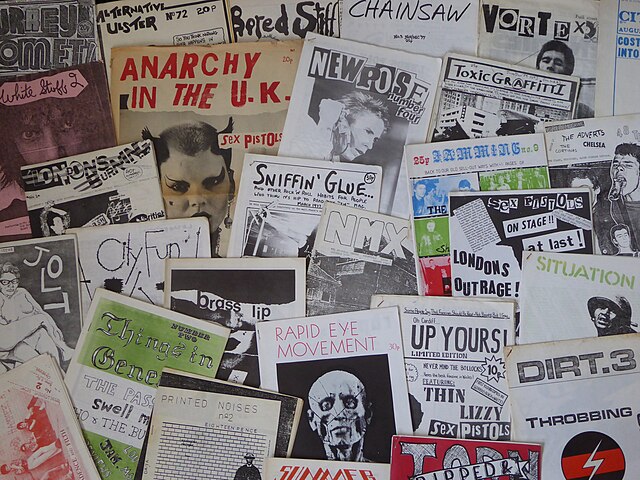
Image Credit: Wikimedia Commons / Jake @Stillunusual
This form of self-publishing is first credited to the science-fiction enthusiasts of the early 1930s. In short booklets, fans disseminated theories, fan art and their own related works of fiction, providing a space for individuals with the same interests to engage with and enjoy. These devoted fans, fueled by their passion for media, unknowingly helped establish a new genre of publishing.
Zines today remain in physical formats, but are often digitally designed and promoted. They are more popular than ever and are now much easier to create and distribute. Interestingly, their appeal remains strong despite the decreasing societal interest in print media, especially amongst young people.
Zines today cover any and every topic that the creator is passionate enough about to create about, including but not limited to activism, DIY, photography and poetry.
Punk Zines in the 70s-80s
Zines were first introduced to alternative subcultures by the Punk community. The DIY, homegrown nature of the zine mirrored the core ethos of the Punk community perfectly and allowed members of the subculture to acquire information from an outlet other than mainstream media.
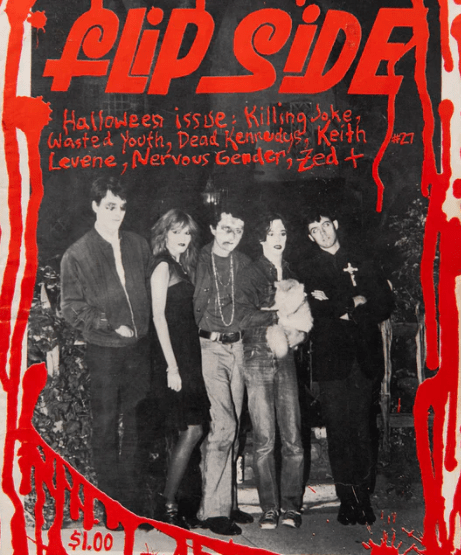
Image Credit: Flipside / These Days LA
They became essential for widespread communication within the scene, something which previously could only be attempted through word of mouth. In the late 1970s, several zines in the United Kingdom and the USA became nationwide, for example, California’s Flipside. Most zines, however, were locally based and spread, covering anything from DIY fashion tips to up-and-coming alternative bands in the area.
Zines created the first transnational networks of alternative culture, connecting punks across cities and countries long before the internet made such communication easy. This helped to develop a basis for the strong, intertwined alternative communities that exist today.
Goth zines in the 70s-90s
As Punk culture evolved, it inspired new offshoots like Goth, which developed its own aesthetics and philosophies. Zines mirrored this shift, documenting the subculture’s dark romanticism and growing separation from Punk’s aggression.
One of the most influential Goth zines of this period was Propaganda, a publication which documented the development of hardcore Punk into Goth (while catering to both) and focused on the connection of alternative fashion and lifestyle to fetishism, religion and the taboo. In the late 80s, Propaganda was no longer a zine but rather a professionally printed magazine with over 10,000 print copies per run as a result of its popularity.
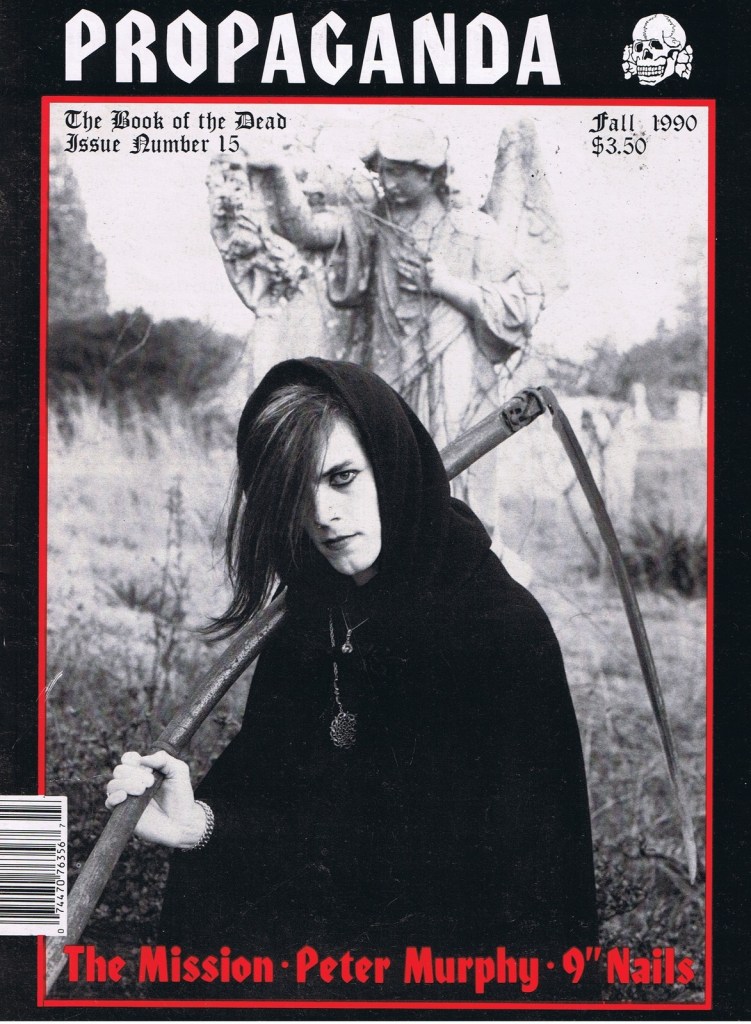
Image Credit: Propaganda / Fred H. Berger
Zines focusing on Gothic literature, Goth music and macabre aesthetics became more frequent, helping to define Goth as its own rich subculture – one now separate from its Punk origins.
Queercore and Riot Grrrl Zines
‘Queercore’ zines began to spread as a reaction to the growing homophobia and sexism within the Punk subculture in the late 1980s and early 90s. Classically Punk in their nature and aesthetic, these zines focused on circulating feminist and homosexual theory, literature and art that would have been unacceptable in mainstream media.
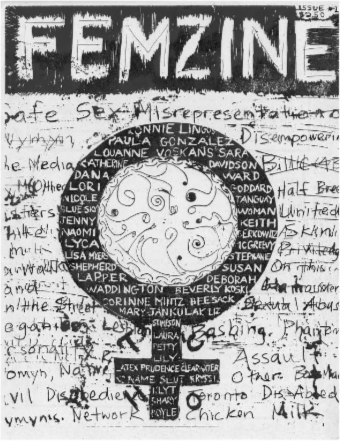
Image Credit: Internet Archive / Femzine
Marginalised groups, especially queer and transgender people in the alternative community, helped to popularise the zine further. For many LGBTQ+ individuals, zines offered one of the few safe and accessible outlets for expression and activism. The format of the zine lends itself especially well to unheard scenes that, at the time, were unlikely to be published professionally as a result of their identity.
As copy shops such as the UK’s Kall Kwik became commonplace, creating zines became even more accessible, which resulted in further circulation of progressive ideas.
Alternative Zines Today
Today, platforms such as Instagram and TikTok allow for self-publishers to advertise their zines for free and with minimal effort. There are more zine topics than ever, with many being created in response to modern movie, music and book releases.
Contemporary zine culture is, however, heavily influenced by the notion that social media is no longer a safe space for all, resulting in a step back from an ‘everywhere-everything-all-at-once’ mode of consuming content and a shift to the intentional digestion of media made for specific groups of people.

Image Credit: Louie Castro / Unsplash
In a world of commodified alternative culture where ‘Goth’ and ‘Punk’ are used as buzzwords through which to sell something, the idea of anything made purely for the love of the scene is refreshing. Zines offer a platform for authenticity, a safer way to spread information amid monitoring and an opportunity for community building outside of the constant bombardment presented by the internet.
Zines have evolved from stapled pages passed between friends to publications shared worldwide, yet their purpose remains unchanged: to give voice to those who refuse to be silenced. In every era, they’ve captured the heart of alternative culture – independent, creative and defiant.
If you’re interested in some ongoing alternative zines, please consider checking out these publications and printers: ANARKISS, DreamWorldGirl Zine, Lights Go Out, Labyrinthine Lit-Zine, The Nottingham Horror Collective, Notions Zine and Abhartach Magazine.





 The Mourning Paper
.jpg)