
In the late 1990s, the alternative fashion store HELLFIRE became a fixture of Glasgow’s goth scene. After a successful run in the city centre, owner Tequila Rose Hanses took the brand online, a move that inadvertently shaped a generation of alternative fashion.
Today, rebranded as Killstar, the online store is widely regarded as one of the most mainstream sources of goth clothing.
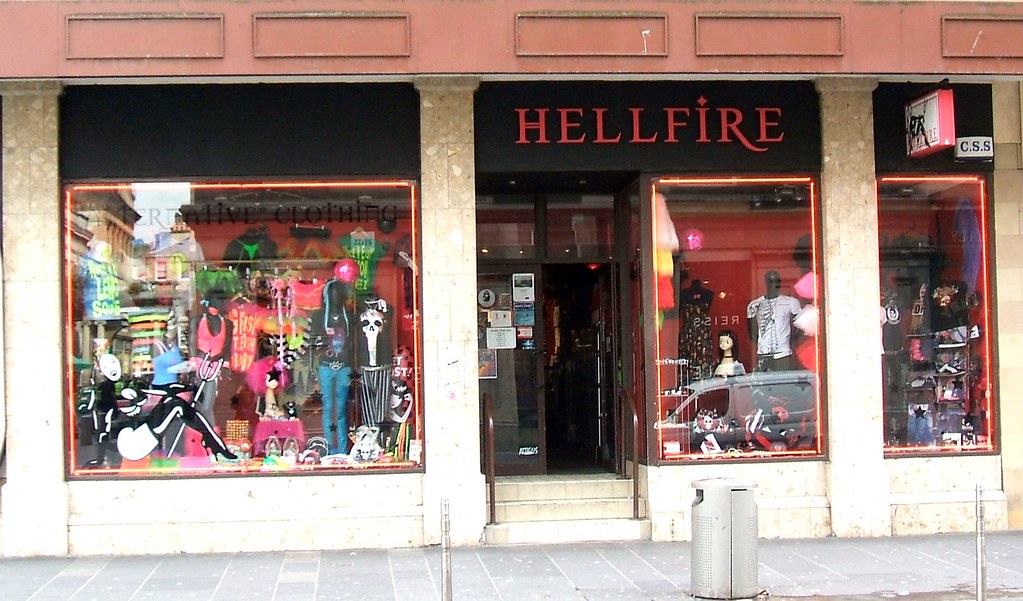
Hellfire, 2008. Image Credit: Joseph McIvor / Flikr
Between the mid-2010s to early 2020s, Killstar was in its prime. The items sold represented a deep knowledge of alternative culture and fashion trends, while collaborations with popular alternative artists were frequent and well-recieved. Models were diverse in race and size and were, most crucially, visibly alternative.
Since 2022, consumer opinion has shifted dramatically. Now, many of comments in Killstar-specific online groups relate to a lack of plus-size models, a noticeable decline in clothing quality and design, and a move to what many describe as the ‘normie-goth’ aesthetic.
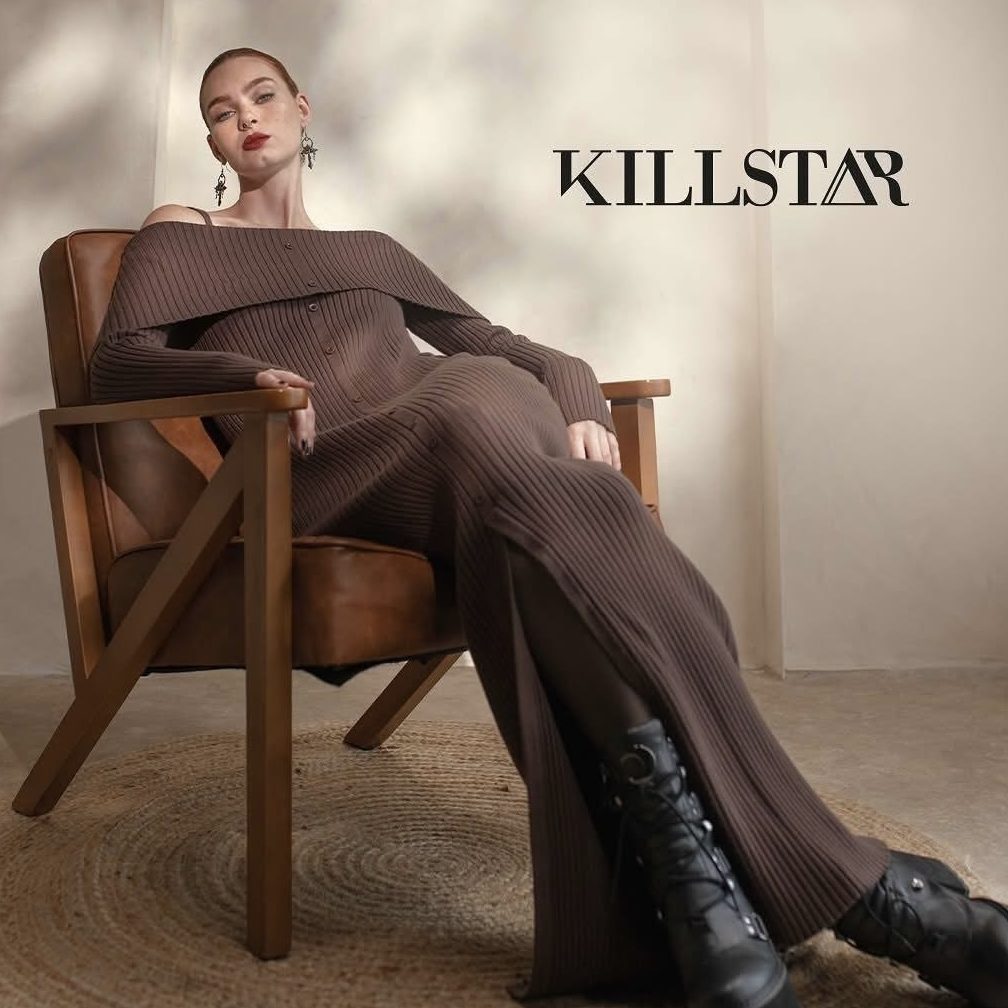
Image Credit: Killstar / Advertisement Via Facebook
In an interview with Gothic Beauty, Killstar’s founder recalls that the company was born from a desire to find rare, hard-to-source fashion. Standout aesthetics included their occult-inspired wears, attitude-soaked statement pieces and unique gothic designs. Items were well-made and appealing to the everyday goth, a far cry from the commercialised ‘alternative’ aesthetic that the brand features today.
Ownership
In 2020, Killstar’s parent company, Draco Distribution, was sold to Centicore UK Aquisitions Ltd. The position of director for Draco Distribution was given to Centicore director Tom Beerle, and then to Seb Tarleton in 2025. Neither of these individuals is associated with, nor particularly involved in, alternative fashion or culture.
Many customers have attributed Killstar’s downfall to non-alternative leadership as well as a new creative direction, which, according to former staff members, is modelled after the brand Free People.

Image Credit: Free People Official Website
“They are actively regressing – getting rid of alternative models, diversity and body inclusion. It’s no longer led by anyone who is alternative. It’s such a shame because the previous Head of Marketing worked so hard to make it what it was, but the CEO and board chose profit over their core customers and employees.” An anonymous ex-employee told TMP.
“They do still offer plus sizes, but actively no longer shoot with plus-size models.”
Models and Fashion
Just a few years ago, Killstar’s website prominently featured plus-size and otherwise non-traditional models. Now, these models have been pushed to the clearance section with the majority of models showcased being thin, white and lacking obvious alternative markers like tattoos or piercings. While still featured in some advertisements, Killstar has made it very obvious that those with larger bodies do not fit the sanitised ‘goth’ aesthetic they’re going for.

2020 advert. Image Credit: Killstar Via Facebook
Shania O’Neill, a customer of Killstar, said, “Clicking on ‘Plus’, I expect to see other plus-sized people representing the clothes and brand. I don’t get that. Instead, I get an XS model showing me what I could aspire to look like, not a model who shows me how the clothes will actually fit on me.”
“At least make the plus-size models the main focus of the plus section. It makes us ‘plus-sized’ people feel like an afterthought.”
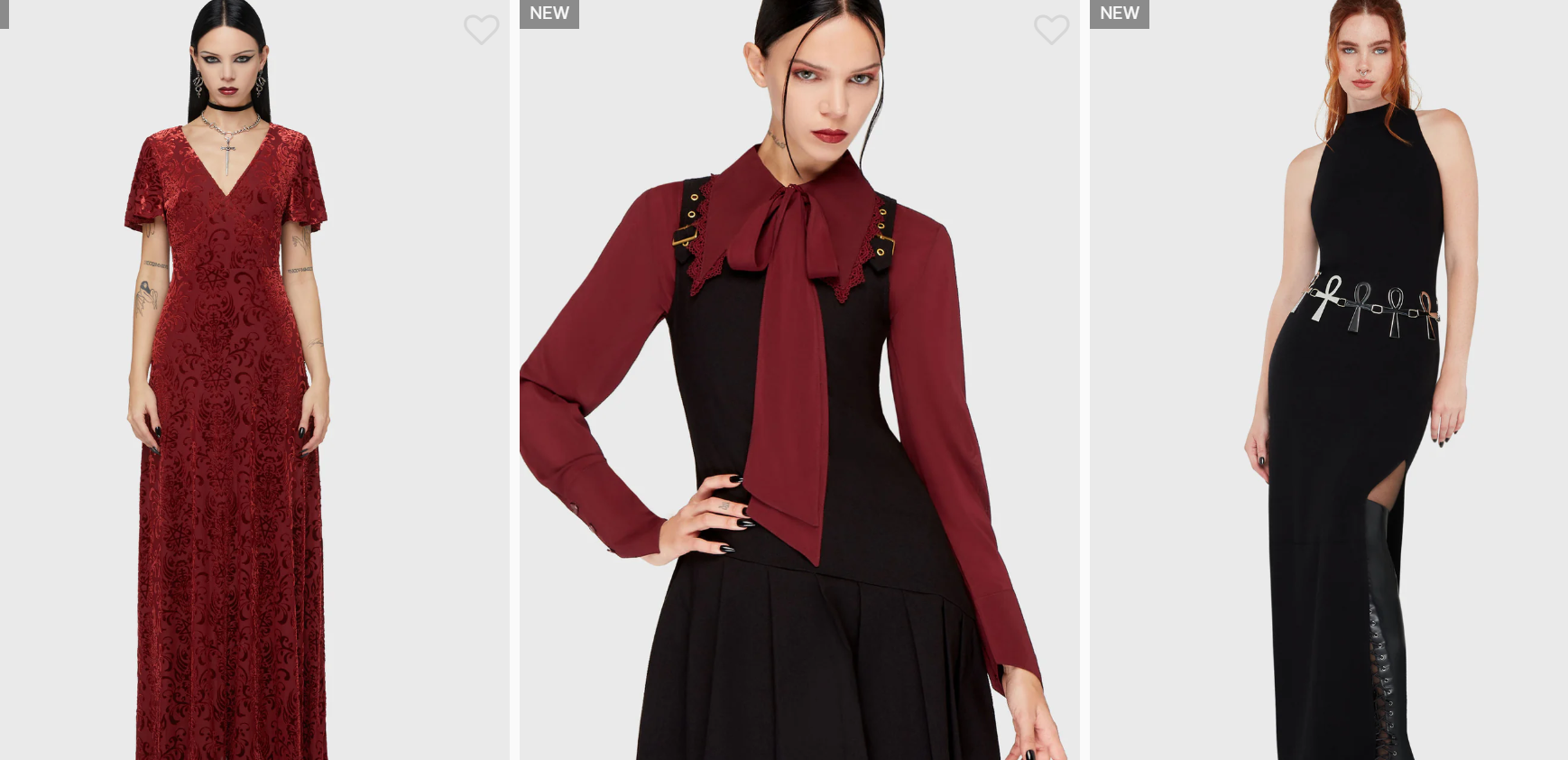
Models currently representing the ‘plus’ section of Killstar. Image Credit: Killstar Website
Their clothing designs, once praised as original, now fall flat. Looking through the website, one would be forgiven for forgetting they’re on an ‘alternative’ platform at all. The design of clothing caters to as wide an audience as possible, redacting any amount of originality from the items.
Most recently, Killstar has been called out for its heavy focus on the ‘cottage-core’, ‘witchy’ and increasingly conservative aesthetics, which has drawn attention away from the brand’s original gothic focus. The reason for this is undoubtedly profit, as more and more people are taking on these currently popular aesthetics. This focus on marketability rather than true alternative culture has been the central reason why many have stopped engaging with the brand altogether.

Image Credit: Killstar
Another customer said, “I began buying from them in 2015, and at points my yearly spend was probably one to two thousand. I think I’ve spent £60 this year on their site, of which £50 was a gift voucher.”
“I mostly just feel sad. Killstar was an iconic brand, and I know we’ve all had many complaints over the years, but it was a staple of so many alt outfits. It feels like they’ve thrown their customer base under the bus – the customer base that grew it into a brand that could be sold for millions. I can only presume this is because a softer, more conservative vibe has a larger potential audience, but it feels a real shame.”
Quality and Consumers
The quality of the clothing has decreased drastically within the span of just a few years, with customers reporting that they regularly receive damaged and obviously returned items. After a recent hike in prices, customers are more confident than ever that Killstar items simply are not worth the money.
Fabrics and sizing have also come under scrutiny after several individuals received items that have not been hemmed properly, are ripped on arrival, are unintentionally see-through and are not sized correctly or consistently throughout the site.
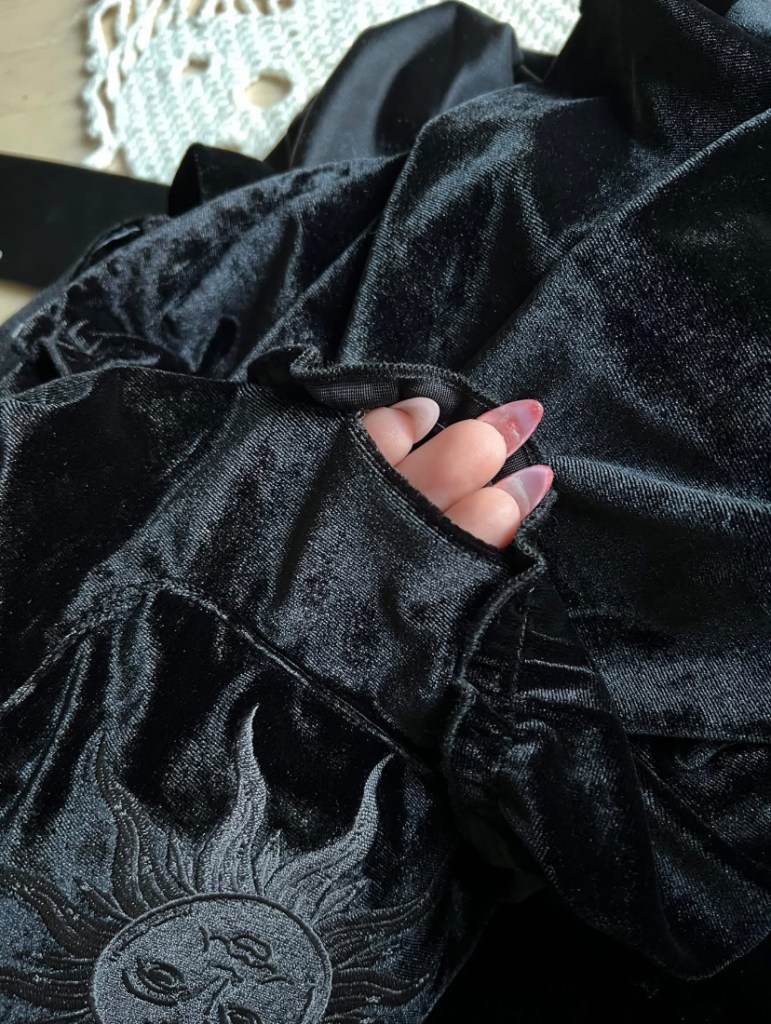
Damaged Killstar Item. Image Credit: Anonymous Customer
A customer told TMP, “I don’t buy from there anymore. I got reused items sent to me and boots with scratches all over, plus the boots seem to last one or two wears and cost over a hundred pounds. Their customer service is shocking, and paid returns? Nah.”
Customer service issues are regularly cited in Killstar-related groups as a reason to no longer engage with the brand. After receiving damaged items, individuals who frequent the brand have come to expect resistance when seeking assistance and are often offered small discounts on their next order in lieu of refunds.
In 2023, Good On You rated Killstar as ‘We Avoid’ – the lowest sustainability rating – for providing no evidence of lower-impact materials, following unsustainable fast-trend practices and not publishing sufficient information about their workers’ rights and waste produced by the company.
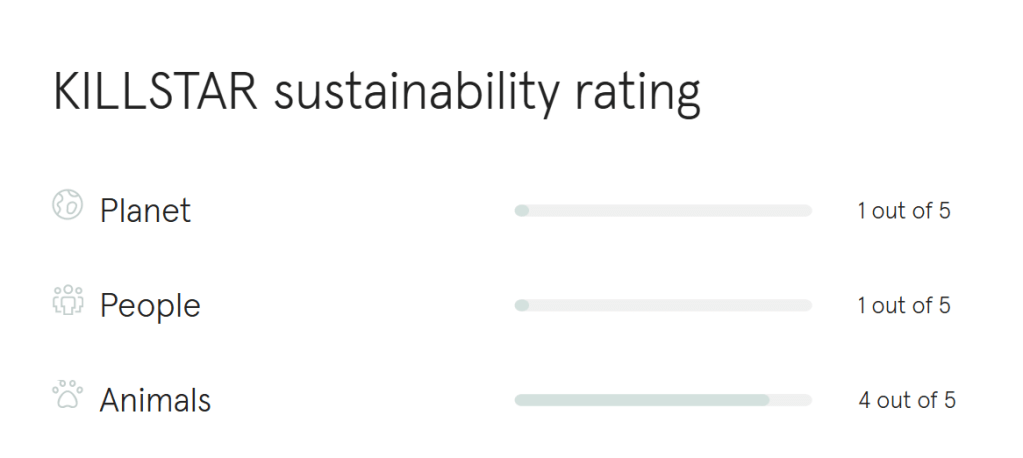
Image Credit: Good On You
Killstar in decline?
Killstar is a brand which is now as entitled to the ‘fast-fashion’ label as any other large fashion retailer. Ran by non-alternative people, seemingly for non-alternative people – Killstar does nothing to represent or appease the individuals who put them where they are today.
They can no longer be referred to as a goth clothing brand; instead, they are just another money-hungry company which is serving to homogenise alternative subcultures and sell the idea of rebellion to as many people as they can without ever engaging in true alternative beliefs or morals.
Now, more than ever, it is time to support small, alternative-run businesses that see subcultures as a living community, rather than a demographic on which to profit.
Image Credit: Killstar Logo


 The Mourning Paper