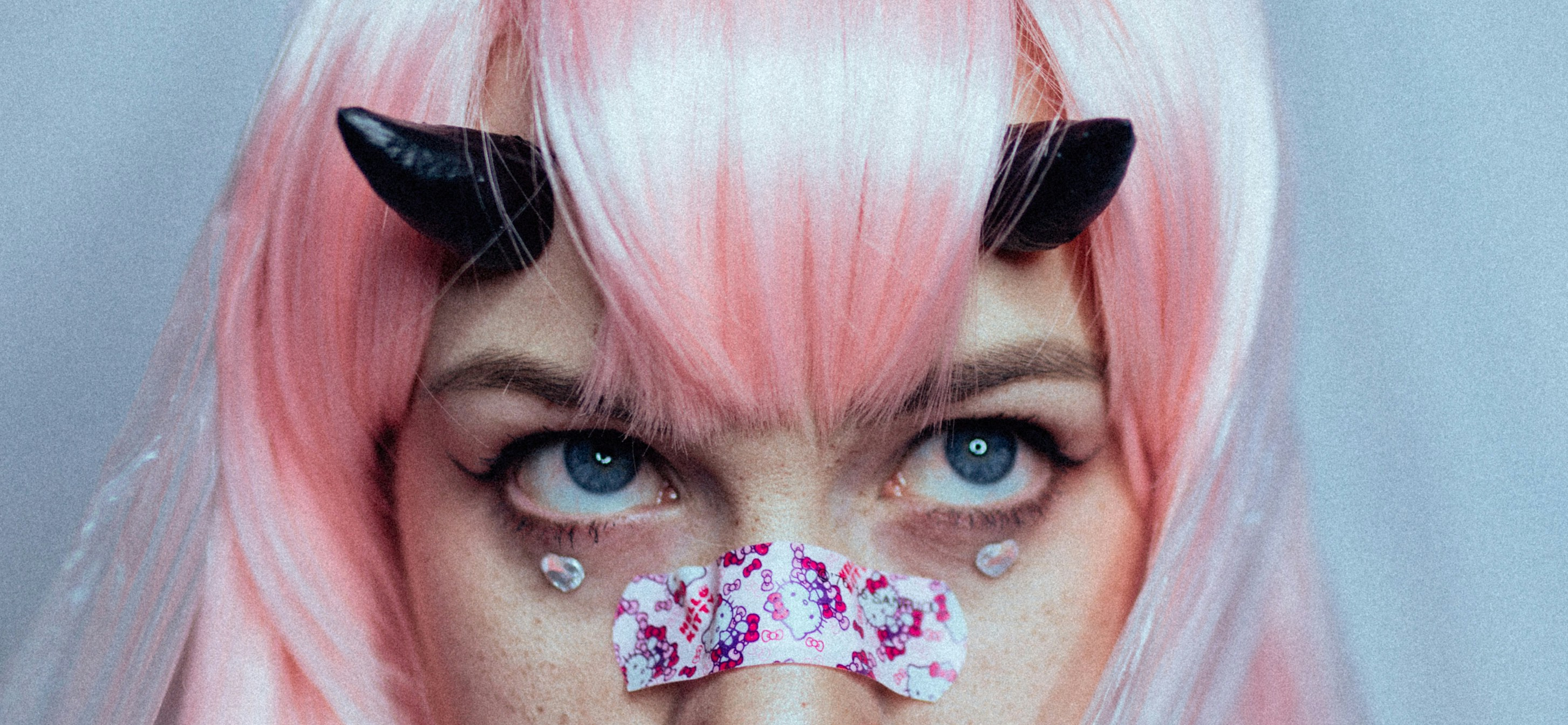
Creepy candy bows, midnight chokers, pastel hair, and baby-bat hair clips – all of these scream 2010s Pastel Goth, a fashion and art aesthetic existing as a subcategory of the goth subculture.
Known for being a blend of creepy and cute, this style blends elements of classic gothic motifs with aesthetics from Japanese ‘kawaii’ fashion. The style first gained traction on Tumblr and Instagram, demonstrating a goth offshoot born from pop culture and anime.
Singers such as Poppy, Jazmin Bean, and Grimes would use elements of the fashion throughout their careers, creating more of a community around the trend. Artists such as these would often coat their haunting lyrics with sugar, using creepy music videos to contrast their identity as artists. On DeviantArt, users created iconic Pastel Goth art, blending cartoon styles and anime art traditions to show off the spooky-sweetness of the aesthetic.

Image Credit: Valerie Elash / Unsplash
Much of the inspiration for the aesthetic can be owed to characters from popular 2000s/2010s media such as: Nyanpire (The Gothic World of Nyanpire), Kitty Cheshire (Ever After High), Crona (Soul Eater), Kanato Sakamaki (Diabolik Lovers), Beatcats (Sanrio) and River Styxx (Monster High). However, Japanese street style, ‘Harajuku’, played the largest role in inspiring Pastel Goth. Loud, colourful and covered in accessories, Harajuku includes various Japanese styles: Lolita, Visual Kei, Decora, and much more. In addition to this, Pastel Goth owes its more ‘sweet’ elements to the flamboyant kawaii style, popularised in Japan.
In the 2000’s to the 2010’s, Pastel Goth communities created tutorials on YouTube, encouraging DIY trends and showing the variety of cute and scary makeup looks available to experiment with. Notable makeup trends in the subculture include a long cat-like eyeliner, black lipstick, and soft pastel eyeshadow. The mix-and-match aspect of Pastel Goth creates a feeling of freshness and individuality with each look: black combat boots, galaxy tights, pink skull earrings, oversized sweaters, and inverted cross skirts.

Image Credit: Nyanpire / Gonzo Studio
In recent years, the online hype for the fashion has died down. However, small corners of the internet remain, floating in their tears of dark cotton candy. TikTok keeps elements of the fashion alive in niche tags and incorporates it with other similar aesthetics such as dreamcore. The recent uprise in nostalgia for the 2010s (especially 2016) has helped bring Pastel Goth back to the foreground.
The duality of Pastel Goth plays into queer and feminist themes, a defiance of conformity and a visual showcase of fluidity through fashion. While many of the icons associated with Pastel Goth are women, many men and genderqueer people still find something identifiable with it.

Image Credit: Cazion Fhey / Pinterest
By taking traditionally gothic motifs and dipping them into chocolate milk, aspects of irony arise via the stark juxtaposition that queer people are more likely to identify with. The fashion reflects the humour of the 2010s, from cute figures like Nyan Cat to dark digital horror. The 2010s stand as a developmental point in time, when technology was developing but nowhere close to what we see today with AI. Pastel Goth represents this period of exploration and discovery from creative youths online.
Pastel Goth was a seed planted in online communities, making it an outsider to more traditional alternative subcultures that began in underground scenes and revolved around music. It is one of the few fashion trends to circulate on the internet that gained a level of recognition and respect in wider alternative communities.

Image Credit: Kateryna Hliznitsova / Unsplash
However, some traditional Gothic subcultures reject the idea of Pastel Goth, reducing it to only a visual aesthetic. Their concerns are valid; after all, Pastel Goth is less concerned with music, literature, and politics compared to post-punk movements. However, from a positive standpoint, the fashion encourages growth and a continuous questioning of rules and societal guidelines.
In online circles, there remains the debate: is Pastel Goth really goth? From a postmodernism perspective, rejecting universal ‘truths’ in subcultures helps keep the core idea of rebellion against social conformity strong. Pastel goth emerged from both tradition and modern youth creativity. Vampire aesthetics and teddy bears combined!
Will you be trying out this rotted saccharine style?
Featured Image Credit: Moreno Matkovic / Unsplash